Tag: digital marketing

  • Local SEO for Small Business: Drive More Foot Traffic in 2026

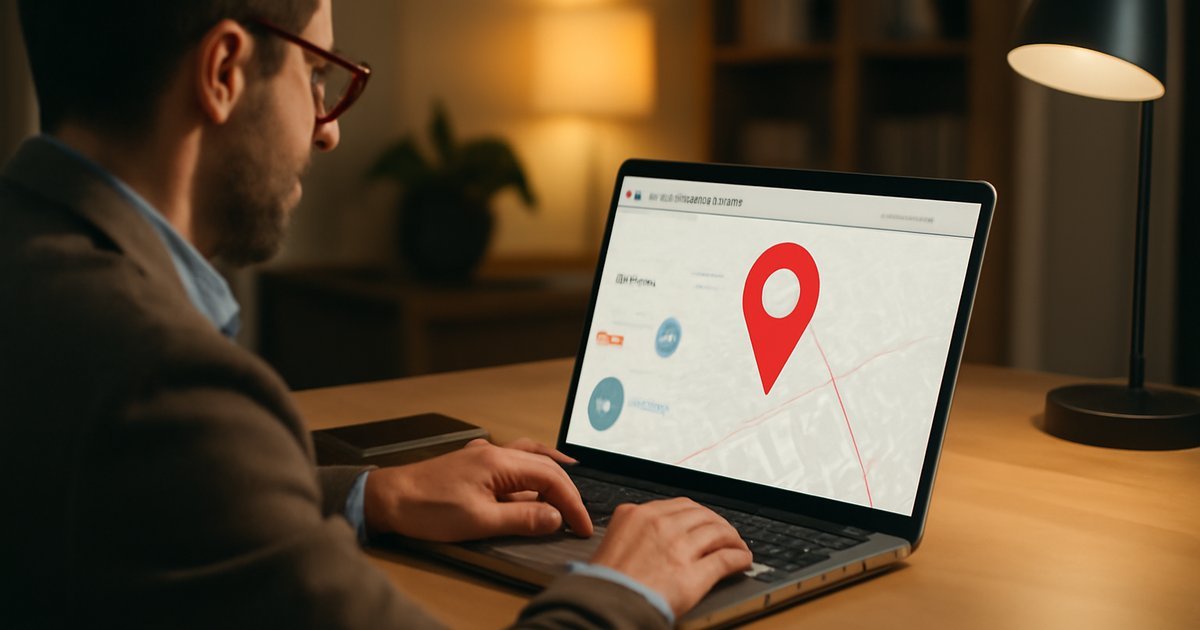
    Local SEO for Small Business: Drive More Foot Traffic in 2026

    Why Local SEO Is One of the Smartest Marketing Investments You Can Make

    Businesses that optimize for local search generate up to 5x more in-store visits than those that don’t — and most of the work is completely free.

    Here’s a number that should get your attention: according to Google, 76% of people who search for something nearby on their smartphone visit a related business within 24 hours. That means almost every local search is a buying signal — and if your business isn’t showing up, a competitor is grabbing that customer instead.

    Local SEO (Search Engine Optimization) is the process of making your business more visible in location-based searches — things like "dentist near me," "best pizza in Chicago," or "HVAC company in Austin TX." For small business owners, it’s one of the highest-ROI marketing strategies available, especially compared to paid advertising.

    In this guide, you’ll learn exactly how local SEO works, what steps to take first, what common mistakes to avoid, and how to use it alongside your broader marketing strategy. Whether you run a law office, a plumbing company, or a neighborhood café, this guide applies directly to your situation.

    This is for educational purposes — consult a licensed marketing professional or financial advisor for personalized guidance specific to your business.

    What Is Local SEO and How Does It Work?

    Local SEO is a subset of search engine optimization focused specifically on getting your business to appear in geographically relevant searches. When someone Googles a product or service "near me" or includes a city name, Google uses its local algorithm to rank nearby businesses.

    The results typically show up in two places:

    • The Local Pack — the map section with 3 business listings that appears near the top of search results
    • Organic results — the regular blue-link search listings below

    Google’s local algorithm considers three main ranking factors:

    1. Relevance — Does your business match what the user searched for?
    2. Distance — How close is your business to the searcher?
    3. Prominence — How well-known and reputable is your business online?

    According to a 2024 BrightLocal study, 98% of consumers used the internet to find information about local businesses, and Google remains the dominant platform for those searches. If your business information is incomplete, inconsistent, or missing, you’re essentially invisible to the majority of local buyers.

    Local SEO applies to almost every small business with a physical location or a service area — restaurants, medical practices, contractors, retailers, personal care services, auto repair shops, and more.

    Key Benefits of Local SEO for Small Business Owners

    Unlike paid advertising, where you stop getting traffic the moment you stop spending, local SEO builds long-term visibility. Here’s why it matters financially:

    1. It Reaches High-Intent Buyers

    Someone searching "emergency plumber in Denver" isn’t browsing — they need help now. Local searches often convert at significantly higher rates than general web traffic. Wordstream reports that local search conversion rates average around 80% for mobile users who visit a store after a search.

    2. It’s Mostly Free

    Your Google Business Profile (formerly Google My Business) is free to create and manage. Optimizing it can put you in front of thousands of potential customers at zero media cost. For small businesses operating on tight margins, that’s a critical advantage.

    3. It Builds Lasting Competitive Advantage

    If you invest consistently in local SEO over 6-12 months, you build a digital presence that’s hard for competitors to displace quickly. A well-optimized profile with hundreds of reviews creates a moat around your local visibility.

    4. It Supports Other Marketing Channels

    Strong local SEO amplifies the rest of your marketing. When someone sees your social media or email campaign and Googles your business name, a well-optimized profile instantly builds trust and drives action.

    For context: a small law firm paying $50-$100 per click on Google Ads for "personal injury attorney near me" could drastically reduce that spend by ranking organically through local SEO — potentially saving $3,000–$10,000 per month in ad costs.

    How to Get Started: Step-by-Step Local SEO Setup

    You don’t need to hire an agency to get started. Here’s a practical, prioritized sequence for small business owners:

    Step 1: Claim and Optimize Your Google Business Profile

    Go to business.google.com and claim or create your listing. This is the single most impactful local SEO action you can take. Make sure to:

    • Use your exact legal business name (no keyword stuffing)
    • Select the most accurate primary category (e.g., "General Contractor" not just "Contractor")
    • Add your full address or service area
    • Enter consistent business hours, including holiday hours
    • Upload at least 10 high-quality photos of your location, team, or products
    • Write a keyword-rich business description (750 character limit)

    Step 2: Build NAP Consistency Across the Web

    NAP stands for Name, Address, Phone Number. Google cross-references your business information across dozens of online directories. If your phone number is listed differently on Yelp vs. your website vs. Google, it creates a trust signal problem.

    Check your listings on Yelp, Bing Places, Apple Maps, Facebook, and industry-specific directories. Tools like Moz Local or BrightLocal can audit and fix these inconsistencies at scale for around $14–$33/month.

    Step 3: Build Reviews Systematically

    According to BrightLocal, 49% of consumers trust online reviews as much as personal recommendations. Reviews are a direct ranking factor in Google’s local algorithm.

    Create a simple post-purchase process to ask satisfied customers for a Google review. A follow-up text or email with a direct link to your review page dramatically increases response rates. Aim for at least 1-2 new reviews per week consistently.

    Never pay for fake reviews — this violates Google’s policies and can result in your listing being suspended permanently.

    Step 4: Optimize Your Website for Local Keywords

    Your website needs to signal local relevance. Key actions include:

    • Include your city/region in your homepage title tag and H1 (e.g., "Plumbing Services in Phoenix, AZ")
    • Create separate location pages if you serve multiple cities
    • Embed a Google Map on your contact page
    • Add LocalBusiness schema markup (structured data) to your site’s code
    • Include your NAP in the footer of every page

    Step 5: Build Local Backlinks

    Backlinks — links from other websites to yours — remain a strong SEO ranking signal. For local SEO, focus on:

    • Local chamber of commerce membership (usually includes a directory listing)
    • Sponsoring local events or charities
    • Getting featured in local news outlets or community blogs
    • Partnering with complementary local businesses for cross-promotion

    Step 6: Post Regularly on Google Business Profile

    Google allows you to publish posts directly on your Business Profile — offers, events, product updates. Profiles that post weekly tend to see higher engagement. Treat it like a mini social media channel for your local audience.

    Costs, Fees, and Realistic Expectations

    One of local SEO’s biggest advantages is its cost structure. Here’s what you should budget for realistically:

    • DIY approach: $0–$50/month (Google Business Profile is free; you might pay for a citation management tool)
    • Freelance SEO consultant: $500–$1,500/month for ongoing optimization
    • Local SEO agency: $1,000–$3,500/month depending on market competitiveness and scope

    Important caveats on timing: local SEO is not instant. Most businesses see meaningful movement in rankings within 3–6 months of consistent effort. Highly competitive markets (personal injury law in New York, for example) can take 12+ months to show significant organic gains.

    There’s also an ongoing maintenance requirement. Google’s algorithm updates regularly, and competitors are always working to outrank you. This is not a one-time setup — it requires consistent attention.

    Tax consideration: SEO services and tools used for your business are generally deductible as ordinary business expenses under IRS guidelines. Consult your CPA to confirm how these expenses apply to your specific situation.

    Common Local SEO Mistakes to Avoid

    Most small businesses make the same preventable errors. Here are the costliest ones:

    Mistake 1: Ignoring Negative Reviews

    Leaving a 1-star review unanswered looks worse than the review itself. Always respond professionally to negative feedback within 24-48 hours. Acknowledge the concern, apologize where appropriate, and offer to resolve it offline. Google rewards businesses that engage with reviewers — positive and negative alike.

    Mistake 2: Using Keyword Stuffing in Your Business Name

    Listing yourself as "Mike’s Plumbing | Best Plumber Denver Emergency Plumbing" instead of your actual business name violates Google’s guidelines and can result in suspension. Your business name on Google must match your real-world name — exactly.

    Mistake 3: Not Optimizing for Mobile

    Over 60% of local searches happen on mobile devices. If your website loads slowly or isn’t mobile-responsive, users will bounce — and Google will notice. Use Google’s free PageSpeed Insights tool to test your mobile performance. Aim for a score of 70+ on mobile.

    Mistake 4: Letting Your Profile Go Stale

    An outdated Google Business Profile — wrong hours, old photos, no recent posts — signals neglect to both Google and potential customers. Set a monthly calendar reminder to review and update your profile. This 30-minute task can have a meaningful impact on your ranking.

    Mistake 5: Targeting Only Broad Keywords

    Trying to rank for "coffee shop" is nearly impossible. Instead, target long-tail local phrases like "organic coffee shop in Midtown Atlanta" or "best cold brew near downtown Seattle." These specific phrases have lower competition and attract customers who are much closer to purchasing.

    Alternatives to Local SEO to Consider

    Local SEO is powerful, but it works best as part of a broader marketing mix. Here are complementary strategies worth considering:

    1. Google Local Services Ads (LSAs)

    Best for: Service businesses (plumbers, electricians, lawyers, cleaners)
    LSAs appear above regular Google Ads and organic results. You pay per lead — not per click — and Google’s "Google Guaranteed" badge adds credibility. Average cost per lead ranges from $6 to $30 depending on industry. It’s a good complement to organic local SEO while you build long-term rankings.

    2. Email Marketing

    Best for: Retention and repeat business
    Once a customer visits your location, email is one of the most cost-effective ways to bring them back. The average ROI on email marketing is $36 for every $1 spent, according to Litmus. Pair local SEO (to acquire customers) with email marketing (to retain them) for a powerful one-two combination.

    3. CRM-Powered Follow-Up

    Best for: Service businesses and B2B companies
    If you’re converting local leads but losing them in follow-up, a CRM system can automate reminders, quotes, and check-ins. Pairing local SEO lead generation with a structured CRM for your sales process can dramatically improve your close rate without more ad spend.

    Frequently Asked Questions

    How long does local SEO take to show results?

    Most businesses see initial ranking improvements within 60–90 days for low-competition keywords, and 4–6 months for more competitive terms. Full results in competitive markets can take 12 months or more. Patience and consistency are essential.

    Do I need a website to do local SEO?

    You can get some traction with just a Google Business Profile, but having a well-optimized website significantly improves your ability to rank for competitive local keywords. Think of your website as the foundation and your Google Business Profile as the storefront sign.

    What’s the most important local SEO ranking factor?

    According to Whitespark’s annual Local Search Ranking Factors survey, Google Business Profile signals (completeness, category, reviews) and on-page signals (keyword relevance, NAP on site) are consistently among the top factors. Reviews and backlinks are close behind.

    How many Google reviews do I need to rank well?

    There’s no magic number, but businesses in the Local Pack typically have more reviews than those that don’t appear there. In most small markets, 20–50 genuine reviews with a 4.0+ average rating puts you in a competitive position. High-competition markets may require 100+.

    Can I do local SEO myself or do I need to hire someone?

    Many small business owners successfully manage basic local SEO themselves, especially in less competitive markets. The Google Business Profile setup, review management, and basic website optimization are all DIY-friendly. For highly competitive industries or markets, hiring a specialist is often worth the investment.

    The Bottom Line: Local SEO Pays Off If You Stay Consistent

    Local SEO is one of the few marketing channels where a small business can genuinely compete with larger players — if you’re willing to put in the work consistently. The fundamentals aren’t complicated: a complete Google Business Profile, steady review growth, a mobile-optimized website, and consistent NAP information across the web.

    Start with your Google Business Profile this week. Claim it, fill out every field completely, and ask your next five satisfied customers for a review. Those two actions alone can move the needle within 30–60 days.

    As your business grows, layer in website optimization, local content creation, and eventually paid local ads. The goal is a sustainable system that keeps bringing in customers — not a one-time fix.

    And remember: local SEO is a long game. The businesses that dominate local search today started building their digital presence 12–24 months ago. The best time to start is right now.

    This article is for educational purposes only and does not constitute financial, tax, or investment advice. Always consult a licensed financial advisor, CPA, or attorney before making financial decisions.

  • Email Marketing for Small Business: A Complete Guide

    Email Marketing for Small Business: A Complete Guide

    Email Marketing for Small Business: A Complete Guide

    Businesses that invest in email marketing see an average return of $36 for every $1 spent — making it one of the highest-ROI channels available to small business owners.

    Why Email Marketing Still Dominates in 2026

    You may have heard that email is "dead." It isn't. In fact, according to the Data & Marketing Association, email marketing consistently outperforms social media, paid search, and display advertising in terms of return on investment for small businesses.

    Consider this: there are over 4.5 billion active email users worldwide, and that number keeps climbing. For US small business owners, that's an enormous, captive audience — one you actually own, unlike your social media followers.

    When Maria, a 41-year-old boutique owner in Austin, started sending a weekly email newsletter to her 800-person list, she generated $3,200 in sales during her first month — without spending a dollar on ads. That's the power of a well-built email strategy.

    In this guide, you'll learn exactly how email marketing works, how to build a list from scratch, what it costs, the mistakes that kill open rates, and how to measure whether your campaigns are actually working.

    What Is Email Marketing and How Does It Work?

    Email marketing is the practice of sending targeted, permission-based messages to a list of subscribers who have opted in to hear from your business. That opt-in part is critical — you're not buying lists or spamming inboxes. You're building a relationship with people who raised their hand and said, "Yes, I want to hear from you."

    The basic mechanics involve three moving parts: your email service provider (ESP), your subscriber list, and your content strategy.

    Your ESP — tools like Mailchimp, Klaviyo, or ConvertKit — handles the technical side: sending emails at scale, managing unsubscribes automatically (which is legally required under the CAN-SPAM Act), and providing analytics on opens, clicks, and conversions.

    Your subscriber list is the foundation. It grows through lead magnets (free downloads, discounts, checklists), website signup forms, in-store sign-ups, and social media promotions. According to Mailchimp's 2025 industry benchmarks, the average email open rate across all industries in the US is approximately 21.3%, though this varies significantly by sector.

    Your content strategy determines what you send, to whom, and when. This includes newsletters, promotional emails, automated welcome sequences, and re-engagement campaigns.

    Key Benefits of Email Marketing for Small Businesses

    Email marketing isn't just affordable — it's strategically powerful for businesses operating on tight budgets and needing consistent revenue.

    Unmatched ROI: The Litmus 2025 State of Email Report put average email marketing ROI at $36 per $1 spent. Compare that to paid social, which averages roughly $2 to $5 per dollar spent for small businesses. No other channel comes close for cost efficiency.

    Direct ownership of your audience: Your email list is yours. If Facebook changes its algorithm tomorrow or shuts down your ad account, you still have your subscribers. Social media reach is rented — your email list is owned.

    Highly targeted messaging: Modern ESPs allow segmentation, meaning you can send one message to first-time buyers and a completely different one to loyal repeat customers. Segmented campaigns generate up to 760% more revenue than one-size-fits-all blasts, according to Campaign Monitor.

    Automation that works while you sleep: A welcome sequence, abandoned cart reminder, or post-purchase follow-up can be written once and automatically sent to thousands of subscribers over time — without additional effort on your part.

    Measurable results: Unlike a newspaper ad or a flyer, email gives you hard numbers: who opened it, who clicked, who bought, and who unsubscribed. That data lets you improve with every campaign.

    How to Build Your Email Marketing Strategy: Step-by-Step

    Getting started with email marketing doesn't require a big budget or a technical background. Here's a practical roadmap:

    1. Choose an email service provider (ESP). For businesses just starting out, Mailchimp offers a free plan for up to 500 contacts. Klaviyo is preferred for e-commerce businesses due to its deep Shopify integration. ConvertKit works well for service providers and content creators. Compare pricing and features before committing — most offer free trials.
    2. Create a lead magnet to grow your list. Nobody hands over their email address without a reason. Offer something valuable: a 10% discount code, a free guide, a checklist, or early access to a sale. Place your signup form prominently on your website homepage, blog posts, and checkout page.
    3. Set up a welcome sequence. The moment someone subscribes, they're most interested in your brand. A 3 to 5 email welcome sequence — sent automatically over the first 1 to 2 weeks — introduces your business, sets expectations, and often delivers your best conversion rates. Don't skip this step.
    4. Decide on your send frequency. For most small businesses, one to two emails per week is a sustainable starting point. Consistency matters more than volume. Subscribers who never hear from you will forget who you are — and mark you as spam when you finally do show up.
    5. Segment your list as it grows. Once you have more than 300 to 500 subscribers, start dividing them by behavior: purchasers vs. non-purchasers, engaged vs. inactive, product interest categories. Targeted emails outperform generic blasts every time.
    6. Write compelling subject lines. Your subject line determines whether the email gets opened or ignored. Keep it under 50 characters, make it specific, and spark curiosity or urgency without resorting to clickbait. "Your cart is waiting" outperforms "Don't miss out!!!" every time.
    7. Test, measure, and optimize. Run A/B tests on subject lines, send times, and calls-to-action. Review your open rates, click-through rates, and conversion rates monthly. Double down on what works.

    If you're still building your business foundation, our guide on how to bootstrap a business from zero to profitable covers cost-effective growth strategies that pair well with email marketing.

    Costs, Fees, and Legal Obligations

    One of email marketing's greatest advantages is its low cost — but there are real expenses and legal requirements you need to understand before diving in.

    Platform costs: Most ESPs charge based on your list size or the number of emails you send monthly. Here's a general breakdown:

    • Up to 500 contacts: Free (Mailchimp, Brevo)
    • 500 to 5,000 contacts: $15 to $80 per month depending on the platform
    • 5,000 to 25,000 contacts: $80 to $300+ per month
    • Advanced automation and e-commerce features: Often add $50 to $200 per month on top of base pricing

    Copywriting and design: If you're writing your own emails and using pre-built templates, your only real cost is time. Hiring a freelance email copywriter typically runs $75 to $250 per email. Agencies charge significantly more.

    Legal compliance — CAN-SPAM Act: The Controlling the Assault of Non-Solicited Pornography And Marketing Act (CAN-SPAM) sets federal rules for commercial email in the US. Key requirements include: including your physical business address in every email, providing a clear and functional unsubscribe link, honoring unsubscribe requests within 10 business days, and not using deceptive subject lines. Violations can result in fines of up to $51,744 per email under 2024 FTC guidelines — so compliance isn't optional.

    Deliverability costs: If your emails land in spam folders, they won't generate revenue. Maintaining list hygiene — removing inactive subscribers every 3 to 6 months — reduces bounce rates and protects your sender reputation. Some businesses also invest in dedicated IP addresses ($20 to $30 per month) for higher-volume sending.

    Common Email Marketing Mistakes to Avoid

    Most small businesses make the same handful of avoidable errors that tank their results. Here's what to watch for:

    Mistake #1: Buying email lists. Purchasing a list of email addresses is not only ineffective — it's potentially illegal under CAN-SPAM and GDPR if you have international subscribers. These contacts never gave you permission to contact them, so spam complaint rates skyrocket. High spam complaints damage your sender reputation and can get your account banned by your ESP. Always grow your list organically.

    Mistake #2: Never cleaning your list. A bloated list full of inactive subscribers inflates your costs and tanks your open rates. An open rate below 15% signals to inbox providers like Gmail that your emails aren't valuable — pushing future emails further toward spam. Run a re-engagement campaign for inactive subscribers every six months, and remove those who don't respond.

    Mistake #3: Sending without segmentation. Blasting the same email to your entire list — loyal customers, brand-new leads, and cold contacts — is a missed opportunity. Someone who's bought from you three times doesn't need an introductory offer. Tailor your messaging based on subscriber behavior, and you'll see dramatically higher conversion rates.

    Mistake #4: Ignoring mobile optimization. According to Litmus, over 55% of emails are opened on mobile devices. If your emails aren't mobile-responsive — meaning they display properly on a smartphone screen — you're losing more than half your audience immediately. Use your ESP's mobile preview feature before every send.

    Mistake #5: No clear call-to-action (CTA). Every email should have one primary goal — drive a purchase, book a call, read an article, download a guide. Emails with multiple competing CTAs confuse readers and reduce conversions. Pick one action per email and make it impossible to miss.

    For context on how email marketing fits into your broader customer acquisition strategy, take a look at our guide on the B2B sales funnel — how to build and optimize yours.

    Alternatives to Email Marketing

    Email is powerful, but it's not the only tool in your marketing toolkit. Depending on your business type, budget, and audience, these alternatives may complement or even outperform email in specific scenarios.

    SMS/Text Message Marketing: Text messages have open rates as high as 98%, compared to email's average of 21%. Tools like Attentive and Klaviyo's SMS feature allow businesses to send promotions directly to subscribers' phones. The downside: higher cost per message (typically $0.01 to $0.05 per SMS), stricter opt-in requirements, and a strong risk of being perceived as intrusive if overused. Best for: e-commerce businesses with time-sensitive promotions.

    Content Marketing: Building a library of blog posts, videos, or podcasts attracts organic traffic from search engines over time. Unlike email, content marketing compounds — an article written today can drive traffic for years. The tradeoff is time: meaningful results often take 6 to 12 months to materialize. Our content marketing guide for small businesses walks through exactly how to get started. Best for: businesses with longer sales cycles and the patience for long-term growth.

    Paid Social Media Advertising: Facebook, Instagram, and LinkedIn ads allow precise targeting by demographics, interests, and behaviors. You can reach a cold audience quickly — something email marketing alone can't do. The downside is cost and dependency: as soon as you stop paying, the traffic stops. CPC on Facebook ads for small businesses in the US ranges from $0.50 to $3.00 depending on industry and targeting. Best for: businesses with short sales cycles and budget for ongoing ad spend.

    Frequently Asked Questions

    How often should a small business send marketing emails?
    Generally speaking, one to two emails per week is the sweet spot for most small businesses. Sending less than once per month risks subscribers forgetting who you are. Sending more than daily risks high unsubscribe rates. Test your specific audience — some niches (like retail or e-commerce) tolerate higher frequency during promotions.

    What's a good open rate for small business emails?
    According to Mailchimp's 2025 industry benchmarks, the average open rate across US industries is about 21.3%. Retail averages around 19%, while nonprofits and government sectors often see 25% or higher. If your open rate is below 15%, it's time to clean your list and rethink your subject lines.

    Do I need a physical address in my marketing emails?
    Yes. The CAN-SPAM Act requires every commercial email to include a valid physical postal address — either your business address or a registered P.O. Box. Failure to comply can result in federal fines. Your ESP will typically include a space for this in its template footer.

    Can I use email marketing if I have a very small list?
    Absolutely. Even a list of 100 highly engaged subscribers can generate meaningful revenue if those subscribers are the right people. Focus on list quality over quantity. A 200-person list with a 40% open rate and high engagement will outperform a 2,000-person list with 8% opens every single time.

    What's the best email platform for a small business on a budget?
    For businesses with fewer than 500 contacts, Mailchimp's free tier is a solid starting point. As you scale, Klaviyo is widely considered the best option for product-based businesses, while ConvertKit (now called Kit) is a favorite for service providers and coaches. Brevo (formerly Sendinblue) offers competitive pricing for higher-volume senders on a tight budget.

    Conclusion: Start Small, Stay Consistent, Scale Smart

    Email marketing remains one of the most cost-effective growth tools available to US small business owners in 2026. With a potential ROI of $36 per $1 spent, it outperforms nearly every other marketing channel — and unlike social media, you own your audience.

    The path forward is straightforward: choose a platform, offer a compelling lead magnet, build a welcome sequence, and commit to a consistent send schedule. As your list grows, layer in segmentation and automation to multiply your results without multiplying your workload.

    Don't wait until your list is "big enough." Start with what you have today, measure what works, and keep improving. Your future customers are already in their inboxes — the question is whether your emails are showing up there.

    This article is for educational purposes only and does not constitute financial, tax, or investment advice. Always consult a licensed financial advisor, CPA, or attorney before making financial decisions.