
Blog

  • Social Media Marketing for Small Business: A 2026 Guide

    Social Media Marketing for Small Business: A 2026 Guide

    Introduction

    Small businesses that invest in social media marketing generate up to 3x more leads than those relying solely on traditional advertising, according to a 2025 Salesforce report.

    If you run a small business in 2026, ignoring social media is no longer just a missed opportunity — it’s a competitive liability. Yet according to the Small Business Administration, nearly 47% of small business owners say they don’t have a clear social media strategy. They’re posting inconsistently, chasing trends that don’t convert, and wondering why their follower count isn’t translating into revenue.

    This guide will show you exactly how to build a social media marketing strategy that works for your business — not just for vanity metrics like likes and shares, but for real outcomes: more leads, more customers, and more revenue.

    Whether you’re selling handmade goods on Instagram, running a local service business on Facebook, or positioning a B2B consultancy on LinkedIn, the fundamentals are the same. Let’s break them down step by step.

    What Is Social Media Marketing and How Does It Work?

    Social media marketing (SMM) is the use of platforms like Facebook, Instagram, LinkedIn, TikTok, X (formerly Twitter), and Pinterest to promote your business, connect with your target audience, and drive specific actions — such as website visits, purchases, or appointment bookings.

    It works through a combination of organic content (posts you don’t pay to amplify) and paid advertising (sponsored content shown to targeted audiences). Most successful small businesses use both.

    Here’s the core mechanism: social platforms use algorithms to determine which content gets shown to which users. When your content earns engagement — comments, shares, saves, clicks — the algorithm pushes it to more people. Over time, consistent engagement builds both reach and brand authority.

    According to the Pew Research Center’s 2025 Social Media Use report, 72% of US adults use at least one social media platform daily. That’s your audience — already online, already engaged, and already making purchasing decisions based on what they see in their feeds.

    For small businesses, the key advantage of social media marketing over traditional advertising (TV, print, radio) is precision targeting. You’re not paying to reach everyone — you’re paying to reach your exact customer.

    Key Benefits of Social Media Marketing for Small Business

    Before diving into tactics, it’s worth understanding why social media marketing delivers strong ROI for small businesses — especially compared to more expensive alternatives like paid search or TV ads.

    1. Low Barrier to Entry
    Creating a business profile on Facebook, Instagram, or LinkedIn costs nothing. You can start publishing content today with zero upfront investment. According to Hootsuite’s 2025 benchmark report, small businesses that post consistently for 90 days see an average 34% increase in organic reach without spending a dollar on ads.

    2. Hyper-Targeted Paid Advertising
    When you do invest in paid social, you get extraordinary targeting precision. Facebook Ads, for example, allow you to target by ZIP code, income bracket, job title, purchase behavior, and even life events like "recently moved" or "engaged." For a local business, this means you’re not wasting ad spend on users 200 miles away.

    3. Direct Customer Relationships
    Social media is a two-way channel. Unlike a billboard or a radio ad, it lets you respond to customer questions, handle complaints publicly, and build genuine loyalty. Businesses that respond to comments and DMs within one hour see up to 40% higher customer satisfaction scores, according to Sprout Social’s 2025 Index.

    4. Cost-Effective Lead Generation
    The average cost per lead through Facebook Ads in the small business category ranges from $5 to $30, depending on your industry and targeting — far below the average $50-$150 cost per lead in paid search for competitive verticals like legal services or financial planning.

    5. Built-In Analytics
    Every major platform gives you free access to detailed performance data — reach, impressions, click-through rates, conversion tracking. You can see exactly what’s working and adjust in real time, something that’s impossible with most traditional media.

    How to Build Your Social Media Strategy: Step by Step

    A social media presence without a strategy is just noise. Here’s how to build one that actually moves the needle for your business.

    Step 1: Define Your Goals
    Start with the business outcome you’re after. Are you trying to increase brand awareness in a new market? Drive traffic to your website? Generate direct leads or sales? Each goal requires different content types, platforms, and metrics. Be specific: "I want to generate 50 new leads per month through Instagram" is a goal you can measure. "I want more followers" is not.

    Step 2: Choose the Right Platforms
    You don’t need to be everywhere. Pick one or two platforms where your target customer actually spends time.
    Facebook: Best for local businesses, older demographics (35-65), community building, and event promotion.
    Instagram: Ideal for visually-driven businesses — restaurants, retail, real estate, fitness, beauty.
    LinkedIn: Essential for B2B businesses, professional services, and consultants.
    TikTok: High organic reach for businesses targeting 18-45; excellent for educational content and brand storytelling.
    Pinterest: Strong for e-commerce businesses in niches like home décor, food, fashion, and DIY.

    Step 3: Build Your Content Pillars
    Content pillars are the 3-5 core topics you’ll consistently post about. For a local accounting firm, pillars might be: tax tips, small business finance, behind-the-scenes of the team, client success stories, and seasonal reminders. This structure keeps your content purposeful and your audience engaged.

    Step 4: Create a Posting Schedule
    Consistency beats frequency. According to Buffer’s 2025 State of Social Media report, posting 4-5 times per week on Instagram and 3-4 times per week on Facebook drives significantly better engagement than posting daily for a week and then going silent. Use a scheduling tool like Buffer, Later, or Hootsuite to plan content in advance.

    Step 5: Allocate a Testing Budget for Paid Ads
    Even $300-$500 per month in Facebook or Instagram ads can deliver measurable results for a local business. Start with a single objective campaign — either traffic or lead generation — and test two or three creative variations to see what resonates before scaling your budget.

    Step 6: Review Analytics Monthly
    Set a monthly calendar reminder to review your platform analytics. Track reach, engagement rate, click-through rate, and — most importantly — leads or sales generated. Adjust your content mix based on what the data tells you, not what you personally prefer.

    Costs, Fees, and Risks

    Social media marketing isn’t free — even if the platforms themselves cost nothing to join. Here’s a realistic look at what you’ll actually spend.

    Paid Advertising Costs
    Facebook and Instagram ads operate on an auction model. Average CPM (cost per 1,000 impressions) in 2025 ranged from $7 to $25, depending on audience targeting and competition. For lead generation campaigns, expect to spend $10-$50 per lead in most service-based industries. Budget at minimum $500/month if you want statistically meaningful data.

    Content Creation Costs
    If you’re creating content yourself, the primary cost is time. If you hire a freelance social media manager or content creator, expect to pay $800-$3,000/month depending on scope. Graphic design tools like Canva Pro run about $150/year. Video editing tools vary, but many small businesses use free versions effectively.

    Agency Fees
    If you outsource to a full-service social media agency, costs typically start at $1,500/month for basic management and can exceed $5,000/month for full strategy, content, and paid ad management.

    Key Risks to Understand
    Social media platforms own the audience. If Facebook changes its algorithm or Instagram limits organic reach (as it has repeatedly), your results can drop overnight. This is why building an email list alongside your social presence is critical — you own that relationship. For guidance on that, see our Email Marketing for Small Business: A Complete Guide.

    Reputation risk is also real. Negative comments and public complaints are visible to everyone. You need a clear policy for responding to criticism professionally and promptly.

    Common Mistakes to Avoid

    Most small businesses make the same preventable errors when launching their social media marketing efforts. Here are the most costly ones — and how to avoid them.

    Mistake 1: Treating All Platforms the Same
    A LinkedIn post should look nothing like a TikTok video. Each platform has its own format, tone, and audience expectations. Repurposing a word-for-word Facebook post to LinkedIn will almost always underperform. Tailor your content format and voice to each platform specifically.

    Mistake 2: Focusing on Follower Count Instead of Engagement
    10,000 followers who never interact with your content are worth far less than 500 highly engaged followers who share your posts and refer customers. Engagement rate — likes, comments, and shares divided by reach — is a far better indicator of content quality than raw follower numbers. A healthy engagement rate on Instagram is generally 2-5% for small business accounts.

    Mistake 3: Posting Without a Call to Action
    Every piece of content should have a purpose and a clear next step for the reader. Whether it’s "Click the link in bio to book a free consultation" or "Drop a question in the comments below" — tell people what you want them to do. Posts without CTAs consistently underperform on conversion metrics.

    Mistake 4: Ignoring Negative Comments and Reviews
    Unanswered complaints on social media are visible to every prospective customer who visits your page. Responding professionally to criticism — even when it’s unfair — signals that your business takes accountability seriously. Silence signals the opposite.

    Mistake 5: Stopping After 30 Days
    The number one reason small businesses fail at social media marketing is giving up too soon. Organic growth on most platforms takes 3-6 months of consistent effort before it compounds meaningfully. Businesses that quit after a month never see the returns that patience would have delivered.

    Alternatives to Social Media Marketing

    Social media isn’t the only digital marketing channel available to small businesses. Depending on your goals and audience, one of these alternatives — or a combination — might be a better fit.

    1. Content Marketing (SEO-Driven Blog Content)
    Publishing high-quality articles and guides on your website attracts organic search traffic from Google over time. Unlike social media, where content has a 24-48 hour lifespan, a well-optimized blog post can drive traffic for years. The tradeoff: it takes 6-12 months to see meaningful SEO results. For a deeper look, see our Content Marketing for Small Business: A Complete Guide.

    Pros: Long-term compounding returns, no platform dependency, builds domain authority.
    Cons: Slow to produce results, requires strong writing or content team investment.

    2. Email Marketing
    Email consistently delivers the highest ROI of any digital marketing channel — approximately $36 for every $1 spent, according to Litmus’s 2025 State of Email report. It’s also platform-independent: you own your list. The limitation is that you need to build that list from scratch, which requires a lead magnet and consistent nurturing.

    Pros: Owned channel, high ROI, direct communication with warm leads.
    Cons: List building takes time; poor execution leads to unsubscribes and spam complaints.

    3. Google Local Services Ads and Google Business Profile
    For service-based local businesses — plumbers, electricians, dentists, accountants — Google Business Profile and Local Services Ads can drive high-intent local leads who are actively searching for what you offer. These prospects are often further down the buying funnel than social media followers.

    Pros: High purchase intent, strong local visibility.
    Cons: Can be expensive in competitive markets; requires active review management.

    Frequently Asked Questions

    How much should a small business spend on social media marketing?
    A reasonable starting budget for a small business is $500-$1,500 per month — covering a mix of paid ads and content creation tools. If you’re managing it yourself, the core ad spend can start as low as $300/month while you test what works. Scale your budget as you identify what generates leads and conversions.

    Which social media platform delivers the best ROI for small businesses?
    It depends on your industry. Generally speaking, Facebook and Instagram deliver strong ROI for B2C businesses targeting adults 30-65. LinkedIn is the top performer for B2B companies and professional service providers. TikTok offers exceptional organic reach for businesses willing to invest in video content. The best platform is the one where your specific customers are most active.

    How long before social media marketing produces results?
    For organic growth, expect 3-6 months of consistent posting before you see meaningful engagement and follower growth. Paid ads can generate leads within days of launching, but typically require 2-4 weeks of testing and optimization to become reliably cost-effective.

    Do I need to hire someone to manage my social media?
    Not necessarily at first. Many small business owners successfully manage their own social media using scheduling tools and content templates. However, if social media becomes a significant lead source and you’re spending more than 5-8 hours per week managing it, hiring a part-time social media coordinator or outsourcing to a freelancer can free you to focus on running your business.

    Can social media marketing work for B2B businesses?
    Absolutely. LinkedIn is specifically designed for B2B marketing and consistently outperforms other platforms for professional services, SaaS, consulting, and manufacturing companies. Publishing thought leadership content, case studies, and industry insights on LinkedIn can generate high-quality leads and referral relationships. For a broader look at your B2B sales approach, see our guide on B2B Sales Funnel: How to Build and Optimize Yours.

    Conclusion

    Social media marketing is one of the most accessible and cost-effective growth channels available to small businesses in 2026 — but only when approached strategically. The businesses that win aren’t the ones posting the most; they’re the ones posting with purpose, consistency, and a clear understanding of their audience.

    Your next step: choose one platform, define one goal, and commit to a 90-day content experiment. Track your results honestly, adjust based on data, and scale what works. Don’t try to do everything at once.

    And remember: as your social media presence grows into a serious revenue channel, the marketing decisions you make will intersect with your broader business finances — from ad spend allocation to cash flow planning. Working with a marketing strategist and a financial advisor together gives you the clearest picture of your return on investment.

    This article is for educational purposes only and does not constitute financial, tax, or investment advice. Always consult a licensed financial advisor, CPA, or attorney before making financial decisions.


  • Franchise Business Model: Is It Right for You in 2026?

    Franchise Business Model: Is It Right for You in 2026?

    What Is a Franchise Business Model and How Does It Work?

    A franchise business model is a licensing arrangement where a franchisor (the original brand owner) grants a franchisee (you, the business operator) the right to operate a business using an established brand, systems, and support infrastructure — in exchange for fees and royalties.

    Think of it as buying the blueprint of a proven business rather than drawing your own from scratch. When you open a franchise, you get the logo, the training manuals, the supplier relationships, the marketing playbook, and in many cases, a dedicated territory.

    In the US, franchise agreements are governed by the Federal Trade Commission (FTC) under the Franchise Rule, which requires franchisors to provide a Franchise Disclosure Document (FDD) at least 14 calendar days before you sign anything or pay any money. This legal protection matters — it gives you the facts before you commit.

    There are two primary structures: product/trade name franchises (like gas stations or car dealerships) and business format franchises (like fast food, fitness studios, or staffing agencies), where the entire operating system is licensed. Most entrepreneurs entering franchising today deal with the business format model.

    Key Benefits of Owning a Franchise

    According to the International Franchise Association, franchise businesses contributed over $860 billion to the US GDP in 2025 — a figure that underscores how dominant this model has become across industries.

    Here are the most tangible advantages:

    • Lower failure risk: The SBA has historically reported that franchise businesses have higher survival rates than independent startups, largely because of established systems and brand recognition.
    • Built-in brand awareness: Instead of spending years building name recognition, you’re stepping into a brand customers already trust. That dramatically shortens your path to your first dollar of revenue.
    • Proven systems: Everything from staffing procedures to inventory management has already been tested and refined. You’re not experimenting — you’re executing.
    • Training and ongoing support: Most franchisors provide initial training (often at a corporate headquarters), plus ongoing operational support, marketing resources, and field representatives.
    • Easier financing: Banks and the SBA are generally more willing to lend to franchise businesses because the model has a track record. This is a meaningful edge over independent startups when applying for an SBA loan or small business loan.

    Franchising also gives you entrepreneurial independence without complete isolation. You own and operate your location, but you’re never fully alone in the decision-making process — which appeals strongly to first-time business owners.

    How to Buy a Franchise: Step-by-Step

    Buying a franchise isn’t impulse-purchase territory. It takes months of research, legal review, and financial preparation. Here’s a practical roadmap:

    1. Define your investment range and industry interest. Entry costs vary enormously — from under $50,000 for a home-based franchise to over $1 million for a full-service restaurant. Know your ceiling before falling in love with a concept.
    2. Research franchisors thoroughly. Start with the FTC’s guidance and the International Franchise Association’s directory. Look at FDD Item 19 (financial performance representations) and Item 21 (audited financials) carefully.
    3. Request and read the Franchise Disclosure Document. The FDD has 23 required items covering everything from litigation history to franchisee turnover rates. Don’t skip this step — ever.
    4. Talk to existing franchisees. The FDD includes a contact list of current and former franchise owners. Call at least 10. Ask directly: “Would you do this again?” and “What did the franchisor get wrong?”
    5. Hire a franchise attorney. This is non-negotiable. A qualified franchise attorney will review the FDD and franchise agreement for red flags before you sign. Expect to pay $1,500 to $5,000 for this review — consider it the cheapest insurance you’ll ever buy.
    6. Secure financing. Common sources include SBA 7(a) loans, conventional bank loans, rollovers for business startups (ROBS — using retirement funds without penalty), and franchisor-provided financing. Build your business credit profile before approaching lenders.
    7. Set up your legal entity. Most franchisors require or strongly recommend that you operate through an LLC or corporation. Check out the complete guide to LLC formation for small business to understand your options before signing.
    8. Sign the franchise agreement and pay initial fees. Once legal review is complete and financing is secured, you’ll sign the agreement, pay the franchise fee, and begin your onboarding process.

    Costs, Fees, and Financial Risks You Need to Understand

    The Federal Trade Commission reports that franchise fees alone can range from $10,000 to over $100,000 depending on the brand — and that’s just the entry ticket. Here’s the full cost picture:

    • Initial franchise fee: A one-time payment for the right to use the brand and systems. Typically $20,000 to $60,000 for mid-tier franchises.
    • Total initial investment: Includes real estate, construction or build-out, equipment, initial inventory, and working capital. This commonly ranges from $150,000 to $500,000+ for brick-and-mortar concepts.
    • Royalty fees: Ongoing payments to the franchisor, usually 4% to 8% of gross sales — not profit. These are paid regardless of whether your location is profitable.
    • Marketing or advertising fund contributions: Most franchisors require contributions of 1% to 4% of gross sales into a national or regional ad fund you don’t fully control.
    • Technology and software fees: Many franchisors require proprietary POS systems, scheduling software, or apps with mandatory monthly fees.
    • Renewal fees: Franchise agreements typically run 10 years. Renewal isn’t guaranteed, and some franchisors charge renewal fees or require facility upgrades before renewing.

    The biggest financial risk most first-time franchisees underestimate is the working capital gap — the cash needed to cover operating losses during your ramp-up period (typically 6 to 18 months). Make sure your financial projections include at least 6 months of operating reserves beyond your initial investment.

    Tax implications also matter. Your royalty payments are generally deductible as business expenses, but the initial franchise fee is typically amortized over 15 years under IRS Section 197 — not deducted in full in year one. Consult a CPA who specializes in franchise taxation before finalizing your structure.

    Common Mistakes Franchise Buyers Make

    Even smart, experienced professionals fall into these traps. Knowing them in advance could save you tens of thousands of dollars:

    Mistake #1: Choosing a brand based on personal love, not financial data. You may eat at a particular restaurant every week, but that emotional connection has no bearing on unit-level economics. Always analyze Item 19 of the FDD and compare average unit volumes before falling for brand loyalty.

    Mistake #2: Skipping or rushing the FDD review. The FTC mandates a 14-day waiting period for a reason. Many buyers rush this step because they’re excited. That excitement is exactly why disciplined due diligence matters most. Franchisors with high franchisee turnover rates or pending litigation are major red flags — and they’re all disclosed in the FDD if you read it.

    Mistake #3: Underestimating total cash requirements. The advertised “total investment” in marketing materials often represents a best-case scenario. Real-world build-out costs frequently run 15% to 30% over initial estimates, especially in high-cost metro markets.

    Mistake #4: Not validating with existing franchisees. Franchisors will show you their most successful locations during the discovery process. That’s sales — not due diligence. Call franchisees in comparable markets who’ve been operating for 2 to 4 years for a realistic picture.

    Mistake #5: Treating it like a passive investment. A franchise is a job — especially in the early years. Unless you’re buying a multi-unit deal and hiring professional managers, expect to work 50+ hours per week during your launch phase. Buyers who expect “semi-passive” income from day one often struggle.

    Alternatives to Franchising Worth Considering

    Franchising isn’t the only path to business ownership. Depending on your financial situation, risk tolerance, and goals, these alternatives may be a better fit:

    1. Bootstrapping an Independent Business
    If you have a specific skill, product, or service idea and want full control over your brand and systems, building from scratch offers the highest potential upside — and the highest risk. You won’t pay royalties, but you’ll spend more time building systems from zero. Our guide on how to bootstrap a business from zero to profitable is a good starting point.
    Best for: Entrepreneurs with industry expertise and high risk tolerance.
    Downside: No brand recognition, no proven system, statistically higher failure rate in early years.

    2. Buying an Existing Business
    Purchasing an established independent business or an existing franchise resale can offer immediate cash flow, existing staff, and a known customer base. Business acquisition financing through SBA 7(a) loans is well-established.
    Best for: Buyers who want immediate revenue and have capital for acquisition.
    Downside: Requires thorough due diligence; hidden liabilities can be costly.

    3. Starting an Online or Service-Based Business
    Low overhead, no physical location requirements, and potentially faster profitability make digital or service-based businesses attractive — especially for professionals with marketable skills.
    Best for: Entrepreneurs with limited capital who want to test demand before scaling.
    Downside: Slower brand building, competitive market, no built-in support system.

    Frequently Asked Questions About Franchise Businesses

    How much money do I need to buy a franchise?
    Generally speaking, you’ll need liquid capital (cash or easily accessible assets) of at least 20% to 30% of the total investment amount. For a franchise with a $300,000 total investment, that means having $60,000 to $90,000 in liquid assets before applying for financing. Many franchisors publish a minimum net worth requirement in their FDD.

    Can I own a franchise if I have a full-time job?
    In most cases, operating a brick-and-mortar franchise while working full time isn’t realistic in the early phase. Some home-based, semi-passive, or multi-unit models with strong management infrastructure allow for more flexibility — but first-time franchise ownership typically demands your primary attention, at least for the first 12 to 24 months.

    What is the most profitable type of franchise?
    Profitability varies widely by concept, market, operator quality, and economic conditions. Historically, service-based franchises (cleaning, home services, staffing) tend to have lower overhead and faster break-even timelines than food and beverage. That said, high-volume food franchises in strong markets can generate significant returns. Always evaluate Item 19 of the FDD for actual unit-level financial data.

    Is the franchise fee tax deductible?
    The initial franchise fee is treated as an intangible asset under IRS Section 197 and must be amortized over 15 years — not fully deducted in year one. Ongoing royalties and advertising fund contributions are generally deductible as ordinary business expenses in the year paid. Consult a CPA for guidance specific to your situation.

    What happens if the franchisor goes out of business?
    This is a real risk that many buyers overlook. If a franchisor becomes insolvent, your franchise agreement may be terminated, leaving you with physical assets but no brand rights or support. This underscores the importance of reviewing Item 21 (audited financials) of the FDD and assessing the franchisor’s financial health before signing.

    Is Franchising the Right Move for You?

    Franchising offers a genuinely powerful middle ground between the independence of entrepreneurship and the structure of employment. If you value proven systems, brand recognition, and operational support — and you’re prepared for the financial commitment and the hard work of ownership — it can be an excellent path to building wealth through business.

    But it’s not a shortcut, and it’s not right for everyone. The best candidates are disciplined operators who follow systems without frustration, have adequate liquidity beyond the initial investment, and have done rigorous due diligence including reading the full FDD and speaking with existing franchisees.

    Your next concrete step: identify two or three franchise categories that align with your budget and interests, request their FDDs, and schedule a call with a franchise attorney. That process alone will tell you more than months of passive research.

    This article is for educational purposes only and does not constitute financial, tax, or investment advice. Always consult a licensed financial advisor, CPA, or attorney before making financial decisions.

  • Business Credit Score: How to Build and Protect It

    Business Credit Score: How to Build and Protect It

    What Is a Business Credit Score and Why It Matters

    When Sandra, 41, applied for a $150,000 equipment loan to expand her landscaping company, the bank rejected her application in under 48 hours. Her personal credit was solid — 720 FICO — but her business credit score was nonexistent. She had never separated her business finances from her personal ones, and it cost her the growth opportunity she had planned for two years.

    According to the Federal Reserve’s 2025 Small Business Credit Survey, nearly 43% of small business owners who were denied financing cited insufficient credit history as a primary reason. Yet most entrepreneurs don’t even know their business credit score exists — let alone how to build or protect it.

    In this guide, you’ll learn exactly what a business credit score is, how it’s calculated, what makes a strong score, and the specific steps you can take to build one from scratch — or repair a damaged one. Whether you’re just launching or have been operating for years, understanding business credit is one of the highest-leverage financial moves you can make.

    How Business Credit Scores Work

    A business credit score is a numerical rating that reflects your company’s creditworthiness — how reliably your business pays its debts and manages financial obligations. Lenders, suppliers, landlords, and even potential partners use it to assess risk before extending credit or entering contracts.

    Unlike personal credit scores, which are largely governed by FICO (ranging from 300–850), business credit scores come from three primary bureaus — Dun & Bradstreet, Experian Business, and Equifax Business — and each uses its own scale and methodology.

    Here’s a quick breakdown of the major scoring systems:

    • Dun & Bradstreet PAYDEX Score: Ranges from 0–100. A score of 80 or above is considered good. It’s based almost entirely on payment history reported by vendors and creditors.
    • Experian Intelliscore Plus: Ranges from 1–100. Scores above 76 are low-risk. It factors in payment history, company size, industry risk, and public records.
    • Equifax Business Credit Risk Score: Ranges from 101–992. It incorporates payment trends, derogatory information, and financial stress indicators.

    One critical difference from personal credit: business credit reports are publicly accessible. Anyone — including your competitors or suppliers — can pay to view your business credit profile. That makes maintaining a strong score even more strategically important.

    Your business must have a separate legal identity for these bureaus to build a file on you. That typically means forming an LLC or corporation, obtaining an Employer Identification Number (EIN) from the IRS, and opening dedicated business financial accounts. If you haven’t done that yet, our guide on LLC Formation for Small Business is a solid starting point.

    Key Benefits of a Strong Business Credit Score

    Building business credit isn’t just about getting approved for loans. The downstream financial advantages are significant and compound over time.

    Lower interest rates on financing. According to Bankrate’s 2025 analysis, businesses with strong credit profiles qualify for rates that are 2–4 percentage points lower than those with thin or poor credit files. On a $200,000 loan over five years, that difference can exceed $22,000 in total interest paid.

    Higher credit limits. Lenders extend more capital to businesses with proven repayment track records. That means more working capital available when you need it most — whether for inventory, payroll, or an unexpected expense.

    Better vendor terms. Many suppliers offer net-30, net-60, or even net-90 payment terms to businesses with established credit. Getting 60 days to pay for inventory you’ve already sold can dramatically improve your cash flow position.

    Personal asset protection. When your business can qualify for credit on its own, you’re less likely to need personal guarantees — which protects your home, savings, and personal credit from business downturns.

    Credibility with partners and clients. A strong business credit profile signals operational stability. Some enterprise clients and government contractors actually review business credit before signing agreements.

    How to Build Business Credit Step by Step

    Building business credit is a methodical process. There are no shortcuts, but following these steps consistently will produce measurable results within 6–12 months.

    1. Register your business as a legal entity. You need an LLC or corporation to establish a separate legal identity. Sole proprietorships generally cannot build true business credit. File with your state and obtain your EIN from the IRS at no cost at IRS.gov.
    2. Open a dedicated business bank account. Use your EIN and business name to open a checking account at a bank or credit union. Never comingle personal and business transactions. This is foundational — and it’s also required if you want lenders to take your business seriously.
    3. Get a D-U-N-S Number. Dun & Bradstreet’s identifier (the D-U-N-S Number) is free and is required to build a PAYDEX score. Apply at dnb.com. This is step one for most trade credit relationships.
    4. Open vendor trade accounts that report to business bureaus. Many suppliers — including Uline, Grainger, Quill, and certain fuel card providers — offer net-30 accounts with minimal requirements and report payment history to D&B, Experian, or Equifax. Pay these on time or early. Even a handful of these accounts, paid consistently, can establish your credit file within 90 days.
    5. Apply for a business credit card. Options like the Capital One Spark, Chase Ink, or American Express Business cards report to business credit bureaus. Keep your utilization below 30% and pay the full balance monthly whenever possible.
    6. Monitor your business credit reports regularly. You can access reports directly from D&B, Experian Business, and Equifax Business — though most require a subscription or per-report fee. Nav.com aggregates reports and offers a free tier. Dispute errors promptly, as inaccuracies can take 30–60 days to correct.
    7. Maintain consistent business address and contact information. Discrepancies in your business name, address, or phone number across different databases can create multiple files or suppress your score. Make sure your information is identical across all accounts, registrations, and listings.

    If you’re funding the early stages without outside capital, understanding how to manage cash carefully is essential. Our guide on Business Cash Flow Management covers this in depth.

    Costs, Risks, and What Can Hurt Your Score

    Building business credit is largely free if done correctly, but there are costs and pitfalls that catch many business owners off guard.

    Credit monitoring costs. Accessing your full business credit reports isn’t free like it is for personal credit (thanks to the Fair Credit Reporting Act). D&B’s CreditMonitor starts at around $39/month. Experian Business reports can run $40–$100 per pull. Budget for this, or use Nav’s free tier for basic monitoring.

    Late payments are severely punishing. On the PAYDEX scale, paying even one day late drops your score. Paying 30 days late can push your score into the 60s or below — a range that signals high risk to lenders. Set up automatic payments for every vendor account.

    High credit utilization. Just like personal credit, maxing out your business credit cards signals financial stress. Generally speaking, keeping utilization below 30% across all revolving accounts is the target threshold.

    Mixing personal and business finances. Using personal credit for business expenses doesn’t help build business credit — and it exposes you to personal liability. This is one of the most common and costly mistakes early-stage business owners make.

    Public records and collections. Judgments, liens, and collections appear on business credit reports and can stay there for up to seven years, severely depressing your score and making financing nearly impossible.

    Guarantee requirements. Until your business has a robust credit profile, most lenders will require a personal guarantee — meaning you’re personally liable if the business defaults. This is a real risk and should be factored into any borrowing decision.

    Common Mistakes to Avoid

    Mistake #1: Assuming personal credit is enough. Many business owners operate for years relying solely on their personal credit scores to access financing. This works — until it doesn’t. When you need $250,000 to grow, personal credit limits become a ceiling. Build the business file in parallel from day one.

    Mistake #2: Not monitoring for errors. The CFPB has noted that errors on credit reports are common, and business credit files are no exception. Incorrect late payment notations, duplicated accounts, or wrong business information can silently tank your score. Set a quarterly reminder to review your reports from all three bureaus.

    Mistake #3: Opening too many accounts too fast. While you need multiple trade lines to build a robust profile, applying for a dozen credit accounts in 30 days signals desperation to lenders and can trigger fraud alerts. Build your profile gradually — 3 to 5 vendor accounts in the first 90 days, then expand from there.

    Mistake #4: Closing paid-off accounts. Just as with personal credit, closing a business credit account reduces your available credit and can shorten your average account age — both of which can lower your score. In most cases, it’s better to keep accounts open with minimal usage.

    Mistake #5: Waiting until you need money to start building. This is perhaps the costliest mistake of all. Lenders want to see at least 12–24 months of positive payment history. If you wait until you’re capital-starved to start building, you’ll already be behind when it matters most. Start now, even if you don’t need financing today.

    Alternatives to Consider If You’re Starting From Zero

    If your business credit is thin or nonexistent, you still have financing options while you build. Here are three realistic paths:

    Secured business credit cards. Similar to secured personal cards, these require a cash deposit as collateral. They typically report to business bureaus and serve as a bridge while you establish your payment history. Limit deposit requirements are usually $500–$5,000.

    Microloans through CDFIs or the SBA. The SBA’s Microloan Program provides loans up to $50,000 through nonprofit Community Development Financial Institutions (CDFIs). These lenders often consider business plans and character in addition to credit, making them accessible for newer businesses. Interest rates generally range from 8%–13%.

    Revenue-based financing. Providers like Clearco or Pipe advance capital based on your business revenue, not your credit score. Repayments are a fixed percentage of monthly revenue. This is worth exploring for businesses with consistent sales but limited credit history. Costs can be higher than traditional loans — often equivalent to 6%–12% total fees — so model the math carefully. For deeper context on borrowing options, see our guide on Small Business Loans: How to Choose the Right One.

    Frequently Asked Questions

    How long does it take to build a business credit score?
    Most businesses can establish a basic credit profile within 3–6 months if they open trade accounts that report to bureaus and pay on time. A robust profile — one that qualifies for competitive loan rates — typically takes 12–24 months of consistent, positive payment history.

    Does opening a business credit card affect my personal credit?
    It depends on the card. Many business credit cards run a hard inquiry on your personal credit during the application process, which can temporarily lower your personal score by a few points. Some cards — like certain Amex Business products — don’t report to personal bureaus for ongoing utilization, but others do. Read the terms before applying.

    What’s a good business credit score?
    On the PAYDEX scale, 80 or above is considered good, with scores of 80–100 signaling prompt or early payment. On Experian’s Intelliscore, anything above 76 is low risk. On Equifax’s Business Credit Risk Score, higher is better, with scores above 800 reflecting strong financial health.

    Can I build business credit without a business loan?
    Absolutely. Vendor trade accounts (net-30 suppliers), business credit cards, and even utilities in the business name can contribute to your credit file — no loan required. Many businesses build strong scores entirely through trade credit before ever taking on formal debt.

    Does an LLC automatically have business credit?
    No. Forming an LLC creates the legal structure needed, but credit bureaus don’t automatically open a file for your business. You must actively register with D&B, open accounts that report, and establish a payment history. Formation is the first step — building credit comes from the financial behavior that follows.

    Final Thoughts: Build It Before You Need It

    Business credit isn’t glamorous. It doesn’t come up in entrepreneurship podcasts as often as growth hacks or marketing strategies. But when you need $200,000 to seize a time-sensitive opportunity — or simply to survive a slow quarter — your business credit score will be one of the most important numbers in your financial life.

    The good news: building it is entirely within your control. Register your entity, separate your finances, open vendor accounts, pay early, and monitor your reports quarterly. Done consistently, these habits compound into a credit profile that gives your business real financial leverage.

    Start today — not when you need the money. The businesses with the most options are the ones that prepared before the need arose.

    This article is for educational purposes only and does not constitute financial, tax, or investment advice. Always consult a licensed financial advisor, CPA, or attorney before making financial decisions.

  • LLC Formation for Small Business: Your Complete 2026 Guide

    LLC Formation for Small Business: Your Complete 2026 Guide

    Learn how to navigate the legal complexities of forming an LLC and protect your personal assets, potentially saving you thousands in future liability.

    Starting a new business is exhilarating, but navigating the legal landscape can feel daunting. Many entrepreneurs, especially those launching a small business, often grapple with fundamental questions about legal structure. When James, 47, decided to launch his consulting firm, he initially operated as a sole proprietor, unaware that a single lawsuit could put his home and savings at risk. This common oversight highlights a critical need for proper business structuring.

    According to a 2025 survey by SCORE, a significant portion of new small businesses in the U.S. either delay or misunderstand the importance of selecting the right legal entity. Choosing the correct structure, like an LLC, is more than just a legal formality; it’s a strategic decision that protects your personal assets, offers tax flexibility, and lends credibility to your venture.

    This comprehensive guide will walk you through the entire process of LLC formation for small business owners. You’ll learn what an LLC is, its key benefits, a step-by-step process for setting one up, common pitfalls to avoid, and essential considerations to ensure your business is on solid legal and financial footing from day one.

    What Is an LLC and How Does It Work?

    An LLC, or Limited Liability Company, is a popular business structure in the United States that offers business owners a blend of personal liability protection and operational flexibility. Think of it as a hybrid entity, combining the pass-through taxation benefits of a sole proprietorship or partnership with the liability protection of a corporation.

    When you form an LLC, you’re creating a separate legal entity for your business. This separation means that your personal assets — such as your home, car, and personal bank accounts — are generally shielded from your business’s debts and liabilities. If your business faces a lawsuit or bankruptcy, creditors typically cannot pursue your personal property to satisfy business obligations.

    Operationally, LLCs are known for their simplicity. They typically have fewer corporate formalities compared to traditional corporations (C-corps or S-corps), making them attractive for small business owners and startups. For tax purposes, an LLC is a “pass-through” entity by default. This means the business itself isn’t taxed on its profits; instead, the profits and losses “pass through” to the owners’ personal tax returns, where they are reported. This avoids the “double taxation” often associated with C-corporations, where both the corporation and its shareholders are taxed.

    However, LLCs also offer flexibility in how they are taxed. A single-member LLC, by default, is taxed as a sole proprietorship, while a multi-member LLC is taxed as a partnership. Both can elect to be taxed as an S-corporation or even a C-corporation, depending on specific financial and tax planning goals. This adaptability makes the LLC structure suitable for a wide range of businesses, from solo freelancers to small partnerships and family-owned enterprises.

    When the structure of a Limited Liability Company (LLC) first gained widespread acceptance across U.S. states in the late 20th century, it quickly became a preferred choice for small business owners seeking a balance of protection and simplicity.

    Key Benefits of Forming an LLC for Your Business

    Choosing an LLC for your business offers several distinct advantages that can significantly impact your financial security and operational efficiency. Understanding these benefits is crucial for any entrepreneur weighing their options.

    Limited Liability Protection

    This is arguably the most significant benefit of an LLC. As the name suggests, it limits your personal liability for business debts and lawsuits. For example, if your business racks up significant debt or is sued by a client, your personal assets – your house, savings, and other valuables – are generally protected. This separation provides a crucial financial safety net, allowing you to take calculated business risks without jeopardizing your personal wealth. Without an LLC, as a sole proprietor, your personal and business assets are legally one and the same.

    Tax Flexibility

    LLCs offer remarkable tax flexibility. By default, they are taxed as pass-through entities, meaning profits and losses are reported on the owner’s personal tax return, avoiding corporate-level taxation. This simplicity is often ideal for many small businesses. Additionally, an LLC can elect to be taxed as an S-corporation (S-corp) or even a C-corporation (C-corp). Electing S-corp status can be particularly beneficial for some small business owners. The IRS reported that electing S-corporation status for an LLC, when appropriate, could historically result in significant self-employment tax savings for business owners, depending on their salary and profits. This is because, as an S-corp, you can pay yourself a “reasonable salary” subject to payroll taxes, while the remaining profits distributed to you are not subject to self-employment taxes.

    Enhanced Credibility and Professionalism

    Operating as an “LLC” after your business name adds a layer of professionalism and legitimacy. It signals to clients, partners, and lenders that you are a serious, established entity rather than a casual freelancer. This perception can be invaluable when seeking partnerships, securing financing, or attracting higher-paying clients. It makes your business appear more structured and reliable.

    Operational Simplicity

    Compared to corporations, LLCs generally have fewer administrative requirements. They don’t typically require annual board meetings, complex minute-taking, or other formal procedures that corporations often mandate. This reduced burden allows small business owners to focus more on growth and day-to-day operations rather than excessive paperwork, making them a practical choice for many entrepreneurs.

    How to Form an LLC: Your Step-by-Step Guide

    Forming an LLC involves a series of specific steps, primarily regulated at the state level. While the exact requirements can vary slightly from state to state, the general process remains consistent across the U.S. Here’s how to get started:

    1. Choose Your Business Name

      Your LLC must have a unique name that isn’t already in use by another entity in your state. Most states require your business name to include “Limited Liability Company,” “LLC,” or “L.L.C.” You’ll typically need to search your state’s Secretary of State website to check for name availability. Many states also allow you to reserve your chosen name for a short period before formal filing.

    2. Appoint a Registered Agent

      Every LLC must have a Registered Agent. This is an individual or a company designated to receive official legal and tax documents on behalf of your LLC. The Registered Agent must have a physical street address (not a P.O. Box) in the state where your LLC is formed and be available during regular business hours. You can serve as your own Registered Agent, or you can hire a professional service.

    3. File Articles of Organization (or Certificate of Formation)

      This is the official document that formally creates your LLC. You’ll file it with the Secretary of State or equivalent business filing agency in your chosen state. The Articles of Organization typically include your LLC’s name, the address of its principal place of business, the name and address of your Registered Agent, and sometimes the names of the LLC members or managers. The filing fees vary significantly by state.

    4. Create an Operating Agreement

      While not always a legal requirement in every state, an Operating Agreement is a crucial internal document for your LLC. It outlines the ownership structure, members’ rights and responsibilities, profit and loss distribution, management structure, and procedures for decision-making and resolving disputes. Think of it as your LLC’s “bylaws.” Without one, your LLC will be governed by your state’s default LLC statutes, which may not align with your specific business needs or intentions. This agreement is especially vital for multi-member LLCs.

    5. Obtain an EIN (Employer Identification Number)

      The IRS requires nearly all businesses, including LLCs with employees or multiple members, to obtain an Employer Identification Number (EIN) for tax purposes. Even single-member LLCs without employees will need an EIN if they elect to be taxed as an S-corporation or C-corporation, or if they plan to hire employees in the future. You can apply for an EIN online through the IRS website, and it’s typically a quick and free process.

    6. Comply with Other State & Local Requirements

      Depending on your industry and location, your LLC may need additional licenses or permits. This could include general business licenses, professional licenses (e.g., for doctors, lawyers, beauticians), zoning permits, or sales tax permits. Check with your state and local government agencies to ensure full compliance. As part of your initial planning, you might also want to draft a comprehensive business plan, which can guide your LLC’s development and financial projections.

    7. Open a Business Bank Account

      Once your LLC is officially formed and you have your EIN, open a dedicated business bank account. This is critical for maintaining the separation between your personal and business finances, which is essential for preserving your limited liability protection. To ensure your business’s financial health, integrating strong cash flow management strategies from day one is paramount, especially when opening your business bank account.

    Costs, Fees, and Potential Risks of an LLC

    While forming an LLC offers significant advantages, it’s crucial to be aware of the associated costs, ongoing fees, and potential risks. These factors can influence your decision and budgeting.

    Filing Fees

    The initial cost to form an LLC is the state filing fee for your Articles of Organization. This fee varies dramatically by state. For instance, state filing fees for LLC formation can range significantly, from under $50 in some states like Arkansas to over $500 in others, according to various state Secretary of State websites. Some states, like California, also historically had an initial minimum franchise tax due shortly after formation, which adds to the initial outlay.

    Registered Agent Fees

    If you opt to use a professional Registered Agent service instead of serving as your own, you’ll incur annual fees, which typically range from $100 to $300 per year. While an added expense, these services ensure compliance and privacy by handling legal correspondence.

    Annual Fees and Franchise Taxes

    Many states require LLCs to pay annual fees, often called “annual report fees” or “franchise taxes.” These fees ensure your LLC remains in good standing with the state. Like filing fees, these can vary greatly, from a nominal amount to several hundred dollars or more, depending on the state and sometimes the LLC’s revenue. For example, some states have historically imposed higher annual fees or taxes based on factors like an LLC’s gross revenue or number of members.

    Legal and Professional Fees

    While you can form an LLC yourself, many business owners choose to hire an attorney or a business formation service. Legal fees for drafting an Operating Agreement or providing legal advice can range from a few hundred to several thousand dollars, depending on complexity. Business formation services offer a more affordable option for filing paperwork but typically don’t provide legal advice.

    Risk of “Piercing the Corporate Veil”

    The limited liability protection of an LLC is not absolute. If you fail to treat your LLC as a separate legal entity, a court might “pierce the corporate veil” and hold you personally liable for business debts. This can happen if you commingle personal and business funds, fail to keep adequate business records, or don’t adhere to legal formalities. Proper adherence to the rules is essential to maintain your protection.

    Self-Employment Taxes

    Even with an LLC, if you’re a sole proprietor or partner (the default tax treatment), you’re still subject to self-employment taxes (Social Security and Medicare) on your share of the LLC’s profits. While S-corp election can potentially reduce these, you’ll still owe them on your reasonable salary. These taxes can represent a significant portion of your income, so planning for them is critical.

    Common LLC Formation Mistakes to Avoid

    Navigating the LLC formation process can be complex, and certain missteps can undermine the very benefits you’re seeking. Being aware of these common mistakes can save you time, money, and potential legal headaches down the road.

    1. Failing to Create an Operating Agreement

      This is one of the most significant oversights, particularly for multi-member LLCs. While not legally required in all states, an Operating Agreement is crucial. Without it, your LLC will be governed by your state’s default statutory rules, which might not align with your intentions for profit distribution, management responsibilities, or conflict resolution. A well-drafted agreement defines the operational framework and protects members’ interests, preventing disputes and providing clarity.

    2. Commingling Personal and Business Funds

      A common error, often highlighted by legal experts, is failing to maintain separate bank accounts for personal and business finances, a practice that historically jeopardizes the limited liability protection of an LLC. When you mix funds, a court may view your LLC as an extension of yourself rather than a separate legal entity, making it easier to “pierce the corporate veil.” Always keep distinct accounts and funnel all business income and expenses through your business account. Understanding business cash flow management can help you avoid commingling funds.

    3. Not Registering in All Operating States (Foreign LLC Registration)

      If your LLC is formed in one state (your “home” state) but conducts business in another state, you might be required to register as a “foreign LLC” in those additional states. “Doing business” typically means having a physical presence, employees, or generating significant revenue in that state. Failing to register can result in fines, inability to enforce contracts, and loss of limited liability protection in the foreign state.

    4. Ignoring Annual Compliance Requirements

      Many states require LLCs to file annual reports and pay annual fees or franchise taxes to maintain their “good standing.” Missing these deadlines can lead to penalties, late fees, or even administrative dissolution of your LLC by the state. Staying organized and setting reminders for these recurring obligations is essential to avoid losing your liability protection.

    5. Choosing the Wrong Tax Election

      While an LLC offers tax flexibility, making the wrong tax election (e.g., choosing S-corp status when it’s not financially advantageous or failing to make an election when it would be beneficial) can lead to higher tax burdens. For instance, electing S-corp status inappropriately can sometimes lead to increased payroll tax liabilities or scrutiny from the IRS if the “reasonable salary” isn’t justified. It’s crucial to consult with a tax professional to determine the most beneficial tax structure for your specific business situation.

    Alternatives to Consider: Sole Proprietorships and Corporations

    While an LLC is a popular choice for many small businesses, it’s not the only option. Understanding the alternatives — sole proprietorships and corporations — can help you make an informed decision based on your specific needs, risk tolerance, and growth aspirations.

    Sole Proprietorship

    Pros:

    • Easiest and Cheapest to Start: This is the simplest business structure to establish. There’s virtually no formal setup required beyond obtaining necessary business licenses or permits. You and your business are one and the same in the eyes of the law.
    • Full Control: You have complete control over all business decisions.
    • Simple Taxation: Profits and losses are reported directly on your personal tax return (Schedule C of Form 1040), avoiding complex corporate tax filings.

    Cons:

    • No Liability Protection: This is the major drawback. Your personal assets are not separate from your business liabilities. If your business incurs debt or faces a lawsuit, your personal savings, home, and other assets are at risk. The Small Business Administration (SBA) has historically reported that sole proprietorships, while simple to establish, do not provide the personal asset protection that an LLC or corporation offers.
    • Harder to Raise Capital: Lenders and investors often view sole proprietorships as riskier due to the lack of liability protection and formal structure.
    • Limited Life: The business entity is tied to the owner; it dissolves if the owner retires or dies.

    Corporation (C-Corp or S-Corp)

    Pros:

    • Strongest Liability Protection: Both C-corps and S-corps offer strong personal liability protection, legally separating the owners from the business.
    • Easier to Raise Capital (C-Corp): C-corporations are often preferred by investors and venture capitalists because they can issue different classes of stock and are designed for large-scale growth.
    • Perpetual Existence: Corporations can continue to exist even if ownership changes.

    Cons:

    • More Complex and Expensive: Corporations have the most stringent setup and ongoing compliance requirements, including bylaws, board of directors, regular meetings, and extensive record-keeping.
    • Double Taxation (C-Corp): C-corporations are subject to “double taxation.” The corporation pays taxes on its profits, and then shareholders pay taxes again on any dividends they receive.
    • Strict Regulatory Scrutiny: Corporations, especially C-corps, face more regulatory oversight from state and federal agencies.

    Choosing the right structure depends on your business’s specific needs. If personal asset protection is paramount and you desire tax flexibility without excessive formalities, an LLC is often an excellent middle ground. If you’re starting a very low-risk side hustle, a sole proprietorship might suffice. For businesses aiming for significant external investment and eventual public offering, a C-corporation may be the path.

    Frequently Asked Questions About LLC Formation

    How long does it take to form an LLC?

    The time it takes to form an LLC varies significantly by state and depends on the processing times of the Secretary of State’s office. Some states offer expedited processing for an additional fee, which can reduce the wait to a few business days. Standard processing can take anywhere from a few weeks to several months. Online formation services can often expedite the submission process, but the state’s internal processing time remains the primary factor.

    Do I need a lawyer to form an LLC?

    You are not legally required to hire a lawyer to form an LLC. Many entrepreneurs successfully navigate the process themselves using online resources or business formation services. However, if your business involves complex ownership structures, significant investments, multiple partners, or specific legal risks, consulting with an attorney is highly recommended to ensure your Operating Agreement is robust and that your LLC is properly structured for your unique situation.

    Can I be a single-member LLC?

    Yes, absolutely. A single-member LLC (SMLLC) is a very common structure for sole entrepreneurs, freelancers, and consultants. For tax purposes, according to the IRS, a single-member LLC, by default, is treated as a disregarded entity, meaning its profits and losses are reported on the owner’s personal tax return (similar to a sole proprietorship), unless an S-corp or C-corp election is made.

    What’s the difference between an LLC and a corporation?

    Both LLCs and corporations provide limited liability protection, but they differ significantly in complexity, management, and taxation. Corporations (C-corps) are more complex, with strict formalities, boards of directors, and often double taxation. S-corps offer pass-through taxation but still require more corporate formalities than an LLC. LLCs are generally simpler to manage, offer greater tax flexibility (can elect to be taxed as an S-corp or C-corp), and have fewer ongoing compliance requirements, making them more appealing for many small business owners.

    Do I need an EIN if I’m a single-member LLC with no employees?

    By default, if you are a single-member LLC with no employees and do not elect to be taxed as a corporation, the IRS treats you as a “disregarded entity” and you can use your Social Security Number (SSN) for tax purposes. However, you will need an EIN if you decide to elect S-corp or C-corp taxation, if you plan to hire employees, or if your state requires it for certain business licenses or banking purposes. It’s often prudent to obtain an EIN regardless, as it helps separate your personal and business identities.

    Conclusion

    Forming an LLC is a pivotal step for any small business owner seeking to protect personal assets, enhance credibility, and gain tax flexibility. By understanding the straightforward process — from choosing a name and appointing a registered agent to filing your Articles of Organization and creating an Operating Agreement — you lay a robust foundation for your venture. Avoiding common pitfalls like commingling funds or neglecting annual compliance is equally crucial to preserve your LLC’s benefits.

    While the LLC structure offers a compelling balance of protection and simplicity, remember to assess your unique business needs and consider alternatives like sole proprietorships or corporations. Taking the time to properly establish your LLC can safeguard your financial future and allow you to focus on growing your business with confidence. Take the actionable next step: research your state’s specific requirements and consider consulting with a legal or financial professional to tailor the process to your specific situation.

    This article is for educational purposes only and does not constitute financial, tax, or investment advice. Always consult a licensed financial advisor, CPA, or attorney before making financial decisions.

  • Sales Compensation Plans: How to Build One That Works

    Sales Compensation Plans: How to Build One That Works

    Sales Compensation Plans: How to Build One That Works

    The right sales compensation plan can increase revenue by up to 44% — here’s how to design one your team will actually perform for.

    Why Your Sales Comp Plan Might Be Costing You Money Right Now

    According to a 2025 report from the Sales Management Association, nearly 58% of small business owners say their current sales compensation structure either underperforms or actively drives away top talent. That’s a staggering number — and if you’ve ever watched a strong salesperson walk out the door to a competitor, you already know the pain.

    Here’s the hard truth: a poorly designed sales compensation plan doesn’t just fail to motivate your team. It can quietly drain your cash flow, reward the wrong behaviors, and create a culture of resentment — all while your top performers start updating their LinkedIn profiles.

    In this guide, you’ll learn exactly how to build a sales compensation plan that attracts great salespeople, drives the right behaviors, and scales with your business. We’ll cover the most common structures, real-world numbers, IRS tax implications, and the costly mistakes most small business owners make before they get this right.

    Whether you’re setting up your first sales team or fixing a broken comp structure, this guide will give you a clear framework to move forward with confidence.

    What Is a Sales Compensation Plan and How Does It Work?

    A sales compensation plan is a documented structure that defines how your salespeople earn money — including base salary, commission rates, bonuses, and any performance incentives. It’s the financial contract between your business and your sales team, and it signals exactly what you value and what you’re willing to pay for.

    There are two core components in most plans:

    • Fixed pay: A guaranteed base salary regardless of performance
    • Variable pay: Commission, bonuses, or incentives tied directly to results

    The mix between fixed and variable pay is often called the pay mix. For example, a 60/40 pay mix means 60% of a salesperson’s on-target earnings (OTE) come from base salary and 40% come from hitting their quota.

    According to the Bureau of Labor Statistics, the median annual wage for sales representatives in the US was approximately $68,000 in 2025 — but total compensation including commissions can easily reach $90,000 to $130,000+ for high performers in B2B industries.

    Your comp plan matters because it directly affects who you attract, how hard they work, and how long they stay. Get it right, and it becomes your most powerful growth tool. Get it wrong, and it’s a slow leak in your revenue pipeline.

    Key Benefits of a Well-Designed Sales Compensation Plan

    A strong compensation structure does far more than just pay your salespeople. When designed well, it works as a strategic tool that aligns individual behavior with your company’s goals.

    1. It drives the right behaviors. If you pay commission only on new accounts, your team will focus on new accounts — sometimes at the expense of existing customers who generate recurring revenue. Your comp plan should reward the activities that actually grow your business sustainably.

    2. It reduces costly turnover. The average cost of replacing a sales rep is estimated at 150% to 200% of their annual salary, according to research from Glassdoor and SHRM. When salespeople feel fairly compensated and see a clear path to earning more, they stay longer — saving you significant recruiting and training costs.

    3. It gives you a competitive recruiting edge. Top sales talent has options. A transparent, generous comp plan with realistic quotas can be the deciding factor when a strong candidate is choosing between you and a larger competitor.

    4. It creates predictable revenue forecasting. When you understand what quota attainment looks like at different performance levels, you can model your revenue projections more accurately — which also helps with business cash flow management.

    A 2024 study by Xactly Corp found that companies with clearly documented comp plans saw 14% higher quota attainment rates compared to those with informal or inconsistent structures. That’s a meaningful lift that compounds over time.

    The Most Common Sales Compensation Structures

    Before you build your plan, you need to choose the right structure for your business model, sales cycle, and team size. Here are the six most common models used by US small businesses:

    1. Straight Salary

    Salespeople earn a fixed salary with no commission. This works well for long sales cycles, highly technical products, or roles where team selling makes individual attribution difficult. The downside: it removes the performance incentive that makes great salespeople shine.

    2. Straight Commission

    Reps earn only what they sell — no base salary. This can attract highly motivated hunters, but it creates income instability that drives turnover and can discourage reps from investing time in long-term relationship building. Generally speaking, this model works best for independent contractors rather than full-time employees.

    3. Base Salary Plus Commission (Most Common)

    This hybrid model is the most widely used structure in US small businesses. Reps get security from a base and upside from commission. A common structure: $45,000–$60,000 base with a 5%–15% commission rate on closed deals. This balances stability with strong performance incentives.

    4. Tiered Commission

    Commission rates increase as reps hit higher performance thresholds. For example: 5% on the first $100K in sales, 8% on $100K–$250K, and 12% on anything above $250K. This structure rewards your top performers disproportionately and encourages reps to push past their quota — not just reach it.

    5. Revenue Share

    Reps earn a percentage of total revenue from their accounts, including renewals. This is common in SaaS and subscription businesses where customer lifetime value matters more than a single transaction.

    6. Bonus-Based Plans

    Reps earn a base salary plus quarterly or annual bonuses tied to hitting team or individual targets. Less common as a primary comp model, but frequently used as a supplement to commission-based plans.

    For most small business owners building a sales team for the first time, the base salary plus tiered commission model offers the best balance of motivation, stability, and alignment with business goals. If you’re still building your initial B2B sales funnel, start simple and add complexity as you scale.

    How to Build Your Sales Compensation Plan: Step-by-Step

    Here’s a practical framework you can implement in your business, even if you’re starting from scratch:

    1. Define your on-target earnings (OTE). OTE is the total compensation a rep earns when they hit 100% of quota. Research your local market using Glassdoor, LinkedIn Salary, and the BLS to find competitive OTE ranges for your role and industry. In most US markets, B2B sales reps expect OTE between $65,000 and $110,000 depending on industry and experience.
    2. Set your pay mix. Decide the ratio of base to variable pay. A common starting point for small business inside sales is 70/30 (70% base, 30% variable). For more aggressive field sales roles, 50/50 or even 40/60 is reasonable.
    3. Establish realistic quotas. A quota should be achievable for roughly 60%–70% of your team — not a stretch goal only your best rep can hit. Industry benchmarks suggest quota should be 4x to 6x the rep’s OTE for most B2B businesses.
    4. Define your commission rate. Work backwards: if OTE is $90,000 with a 60/40 mix, variable pay at quota is $36,000. If quota is $500,000 in annual revenue, your commission rate is approximately 7.2%.
    5. Add performance accelerators. Consider paying higher commission rates (accelerators) when reps exceed quota. For example, 1.5x the standard rate for everything above 100% of quota. This is the strongest motivator for top performers.
    6. Set your commission payment schedule. Most small businesses pay commissions monthly or quarterly. Avoid paying too far after the close — it weakens the psychological connection between effort and reward. The IRS treats commissions as supplemental wages, subject to a flat 22% federal withholding rate (or your normal payroll rate if added to regular pay).
    7. Document everything. Create a clear, signed comp plan agreement for each rep. Include quota, rate, payment timing, clawback provisions, and what happens if a deal is cancelled or refunded. Ambiguity here is where lawsuits start.

    Costs, Fees, and Tax Implications to Know

    Your comp plan doesn’t just affect your top line — it has real tax and cash flow implications you need to plan for carefully.

    Payroll taxes: For W-2 employees, you’ll owe employer-side FICA taxes (7.65%) on base salary and commissions. For a rep earning $85,000 total, that’s roughly $6,500 in employer payroll taxes annually per employee.

    Commission clawbacks: If a customer cancels or defaults, will you require reps to return commissions already paid? Clawback provisions are legal in most US states but must be clearly documented in the comp agreement. Failing to do this can cost you significantly if a large deal falls through post-commission payment.

    1099 vs. W-2 classification: The IRS has strict rules about worker classification. Misclassifying an employee as an independent contractor to avoid payroll taxes can result in back taxes, penalties, and interest. Generally speaking, if you control when, where, and how someone works, they’re likely an employee — consult a CPA before classifying anyone as a contractor.

    Draw against commission: Some businesses offer a recoverable draw — a guaranteed minimum payment that reps pay back from future commissions. This helps with rep cash flow during ramp-up but creates accounting complexity and potential disputes if a rep leaves before repaying.

    If cash flow is a concern while scaling your sales team, review your business line of credit options to ensure you can fund payroll during growth phases without creating operational stress.

    Common Mistakes to Avoid When Setting Up Sales Comp

    These are the errors that cost small business owners the most — both in money and in talent:

    Mistake #1: Setting unrealistic quotas. If fewer than 50% of your reps consistently hit quota, the quota is wrong — not the reps. Unachievable quotas destroy morale, increase turnover, and signal to candidates that your comp plan is misleading. Review quota attainment quarterly and adjust when market conditions shift.

    Mistake #2: Overcomplicating the plan. If a rep can’t calculate their paycheck on a napkin, the plan is too complex. Complicated comp plans create distrust, reduce motivation, and generate constant disputes. Start simple: one or two metrics, a clear rate, a predictable schedule.

    Mistake #3: Ignoring the ramp period. New reps take 3–6 months to reach full productivity. If you put them on full quota from day one, you’ll lose them before they’ve learned your product. Build in a ramp schedule — for example, 50% of quota in month 1, 75% in month 2, 100% from month 3 onward.

    Mistake #4: Not documenting clawback and cancellation policies. This is one of the most common sources of legal disputes between small businesses and sales reps. Always define upfront: what happens to commissions if a deal is cancelled, refunded, or never paid by the customer?

    Mistake #5: Paying commission on revenue instead of gross profit. If your margins vary significantly across products or services, a revenue-based commission incentivizes reps to sell whatever closes fastest — not necessarily what’s most profitable for your business. Consider paying commission on gross profit instead to align incentives with business health.

    Alternatives to Traditional Sales Compensation Models

    If a traditional salary-plus-commission model doesn’t fit your business, here are three alternatives worth considering:

    1. Profit-sharing plans. Instead of individual commissions, reps participate in a company-wide profit pool based on overall business performance. This promotes collaboration and long-term thinking but can reduce individual motivation for top performers. Under IRS rules, qualified profit-sharing plans have annual contribution limits of up to 25% of eligible compensation.

    2. Equity or phantom equity. For early-stage businesses that can’t yet compete on cash compensation, offering equity (or phantom equity — a cash bonus tied to company value milestones) can attract senior sales talent willing to bet on growth. This requires careful legal documentation and is most common in venture-backed startups.

    3. Referral and partnership programs. If you’re not ready to build a full internal sales team, a structured referral or affiliate partner program can generate qualified leads at a fraction of the cost. Commission rates for referral partners typically range from 5% to 20% of deal value, depending on the level of involvement in the sale.

    Frequently Asked Questions

    What is a good commission rate for a small business sales rep?
    Commission rates vary widely by industry, but for B2B small businesses, 5%–12% of gross revenue is a common range. SaaS and subscription businesses often pay 8%–15% on first-year revenue, plus residuals on renewals. Work backwards from your OTE target and quota to land on a rate that’s competitive and financially sustainable.

    How often should I pay sales commissions?
    Monthly is the most common payment schedule and offers the best balance between administrative simplicity and keeping reps motivated. Quarterly works for longer sales cycles. Avoid paying commissions only once a year — the disconnect between work and reward is too large to be motivating.

    Should I use W-2 employees or 1099 contractors for sales?
    In most cases, sales reps who work exclusively for your company, follow your processes, and use your tools will be classified as W-2 employees under IRS guidelines. Misclassification as a 1099 contractor can result in significant tax penalties. Consult a CPA or employment attorney before making this decision.

    What is a draw against commission?
    A draw is an advance against future commissions — essentially a guaranteed minimum payment during ramp-up. A recoverable draw must be paid back from future commissions. A non-recoverable draw does not. Most small businesses use recoverable draws for the first 60–90 days only.

    How do I know if my comp plan is working?
    Track three core metrics: quota attainment rate (target: 60%–70% of reps hitting quota), sales rep turnover rate (industry benchmark: under 25% annually), and time-to-productivity for new hires. If any of these metrics are significantly off-target, your comp plan likely needs adjustment.

    The Bottom Line: Your Comp Plan Is a Growth Strategy

    A well-built sales compensation plan is one of the highest-leverage investments a small business owner can make. It doesn’t just pay your salespeople — it shapes culture, drives behavior, attracts talent, and ultimately determines how fast your business grows.

    Start with a simple, transparent structure. Set realistic quotas. Pay competitively for your market. Build in accelerators that reward your best performers. And document everything clearly so there’s no ambiguity when big commissions are on the line.

    Review your comp plan at least once a year — ideally before each new fiscal year — and adjust for changes in your market, team size, and product mix. The best comp plans evolve as your business grows.

    Take the time to get this right, and your sales team will become your most powerful competitive advantage.

    This article is for educational purposes only and does not constitute financial, tax, or investment advice. Always consult a licensed financial advisor, CPA, or attorney before making financial decisions.

  • Email Marketing for Small Business: A Complete Guide

    Email Marketing for Small Business: A Complete Guide

    Email Marketing for Small Business: A Complete Guide

    Businesses that invest in email marketing see an average return of $36 for every $1 spent — making it one of the highest-ROI channels available to small business owners.

    Why Email Marketing Still Dominates in 2026

    You may have heard that email is "dead." It isn't. In fact, according to the Data & Marketing Association, email marketing consistently outperforms social media, paid search, and display advertising in terms of return on investment for small businesses.

    Consider this: there are over 4.5 billion active email users worldwide, and that number keeps climbing. For US small business owners, that's an enormous, captive audience — one you actually own, unlike your social media followers.

    When Maria, a 41-year-old boutique owner in Austin, started sending a weekly email newsletter to her 800-person list, she generated $3,200 in sales during her first month — without spending a dollar on ads. That's the power of a well-built email strategy.

    In this guide, you'll learn exactly how email marketing works, how to build a list from scratch, what it costs, the mistakes that kill open rates, and how to measure whether your campaigns are actually working.

    What Is Email Marketing and How Does It Work?

    Email marketing is the practice of sending targeted, permission-based messages to a list of subscribers who have opted in to hear from your business. That opt-in part is critical — you're not buying lists or spamming inboxes. You're building a relationship with people who raised their hand and said, "Yes, I want to hear from you."

    The basic mechanics involve three moving parts: your email service provider (ESP), your subscriber list, and your content strategy.

    Your ESP — tools like Mailchimp, Klaviyo, or ConvertKit — handles the technical side: sending emails at scale, managing unsubscribes automatically (which is legally required under the CAN-SPAM Act), and providing analytics on opens, clicks, and conversions.

    Your subscriber list is the foundation. It grows through lead magnets (free downloads, discounts, checklists), website signup forms, in-store sign-ups, and social media promotions. According to Mailchimp's 2025 industry benchmarks, the average email open rate across all industries in the US is approximately 21.3%, though this varies significantly by sector.

    Your content strategy determines what you send, to whom, and when. This includes newsletters, promotional emails, automated welcome sequences, and re-engagement campaigns.

    Key Benefits of Email Marketing for Small Businesses

    Email marketing isn't just affordable — it's strategically powerful for businesses operating on tight budgets and needing consistent revenue.

    Unmatched ROI: The Litmus 2025 State of Email Report put average email marketing ROI at $36 per $1 spent. Compare that to paid social, which averages roughly $2 to $5 per dollar spent for small businesses. No other channel comes close for cost efficiency.

    Direct ownership of your audience: Your email list is yours. If Facebook changes its algorithm tomorrow or shuts down your ad account, you still have your subscribers. Social media reach is rented — your email list is owned.

    Highly targeted messaging: Modern ESPs allow segmentation, meaning you can send one message to first-time buyers and a completely different one to loyal repeat customers. Segmented campaigns generate up to 760% more revenue than one-size-fits-all blasts, according to Campaign Monitor.

    Automation that works while you sleep: A welcome sequence, abandoned cart reminder, or post-purchase follow-up can be written once and automatically sent to thousands of subscribers over time — without additional effort on your part.

    Measurable results: Unlike a newspaper ad or a flyer, email gives you hard numbers: who opened it, who clicked, who bought, and who unsubscribed. That data lets you improve with every campaign.

    How to Build Your Email Marketing Strategy: Step-by-Step

    Getting started with email marketing doesn't require a big budget or a technical background. Here's a practical roadmap:

    1. Choose an email service provider (ESP). For businesses just starting out, Mailchimp offers a free plan for up to 500 contacts. Klaviyo is preferred for e-commerce businesses due to its deep Shopify integration. ConvertKit works well for service providers and content creators. Compare pricing and features before committing — most offer free trials.
    2. Create a lead magnet to grow your list. Nobody hands over their email address without a reason. Offer something valuable: a 10% discount code, a free guide, a checklist, or early access to a sale. Place your signup form prominently on your website homepage, blog posts, and checkout page.
    3. Set up a welcome sequence. The moment someone subscribes, they're most interested in your brand. A 3 to 5 email welcome sequence — sent automatically over the first 1 to 2 weeks — introduces your business, sets expectations, and often delivers your best conversion rates. Don't skip this step.
    4. Decide on your send frequency. For most small businesses, one to two emails per week is a sustainable starting point. Consistency matters more than volume. Subscribers who never hear from you will forget who you are — and mark you as spam when you finally do show up.
    5. Segment your list as it grows. Once you have more than 300 to 500 subscribers, start dividing them by behavior: purchasers vs. non-purchasers, engaged vs. inactive, product interest categories. Targeted emails outperform generic blasts every time.
    6. Write compelling subject lines. Your subject line determines whether the email gets opened or ignored. Keep it under 50 characters, make it specific, and spark curiosity or urgency without resorting to clickbait. "Your cart is waiting" outperforms "Don't miss out!!!" every time.
    7. Test, measure, and optimize. Run A/B tests on subject lines, send times, and calls-to-action. Review your open rates, click-through rates, and conversion rates monthly. Double down on what works.

    If you're still building your business foundation, our guide on how to bootstrap a business from zero to profitable covers cost-effective growth strategies that pair well with email marketing.

    Costs, Fees, and Legal Obligations

    One of email marketing's greatest advantages is its low cost — but there are real expenses and legal requirements you need to understand before diving in.

    Platform costs: Most ESPs charge based on your list size or the number of emails you send monthly. Here's a general breakdown:

    • Up to 500 contacts: Free (Mailchimp, Brevo)
    • 500 to 5,000 contacts: $15 to $80 per month depending on the platform
    • 5,000 to 25,000 contacts: $80 to $300+ per month
    • Advanced automation and e-commerce features: Often add $50 to $200 per month on top of base pricing

    Copywriting and design: If you're writing your own emails and using pre-built templates, your only real cost is time. Hiring a freelance email copywriter typically runs $75 to $250 per email. Agencies charge significantly more.

    Legal compliance — CAN-SPAM Act: The Controlling the Assault of Non-Solicited Pornography And Marketing Act (CAN-SPAM) sets federal rules for commercial email in the US. Key requirements include: including your physical business address in every email, providing a clear and functional unsubscribe link, honoring unsubscribe requests within 10 business days, and not using deceptive subject lines. Violations can result in fines of up to $51,744 per email under 2024 FTC guidelines — so compliance isn't optional.

    Deliverability costs: If your emails land in spam folders, they won't generate revenue. Maintaining list hygiene — removing inactive subscribers every 3 to 6 months — reduces bounce rates and protects your sender reputation. Some businesses also invest in dedicated IP addresses ($20 to $30 per month) for higher-volume sending.

    Common Email Marketing Mistakes to Avoid

    Most small businesses make the same handful of avoidable errors that tank their results. Here's what to watch for:

    Mistake #1: Buying email lists. Purchasing a list of email addresses is not only ineffective — it's potentially illegal under CAN-SPAM and GDPR if you have international subscribers. These contacts never gave you permission to contact them, so spam complaint rates skyrocket. High spam complaints damage your sender reputation and can get your account banned by your ESP. Always grow your list organically.

    Mistake #2: Never cleaning your list. A bloated list full of inactive subscribers inflates your costs and tanks your open rates. An open rate below 15% signals to inbox providers like Gmail that your emails aren't valuable — pushing future emails further toward spam. Run a re-engagement campaign for inactive subscribers every six months, and remove those who don't respond.

    Mistake #3: Sending without segmentation. Blasting the same email to your entire list — loyal customers, brand-new leads, and cold contacts — is a missed opportunity. Someone who's bought from you three times doesn't need an introductory offer. Tailor your messaging based on subscriber behavior, and you'll see dramatically higher conversion rates.

    Mistake #4: Ignoring mobile optimization. According to Litmus, over 55% of emails are opened on mobile devices. If your emails aren't mobile-responsive — meaning they display properly on a smartphone screen — you're losing more than half your audience immediately. Use your ESP's mobile preview feature before every send.

    Mistake #5: No clear call-to-action (CTA). Every email should have one primary goal — drive a purchase, book a call, read an article, download a guide. Emails with multiple competing CTAs confuse readers and reduce conversions. Pick one action per email and make it impossible to miss.

    For context on how email marketing fits into your broader customer acquisition strategy, take a look at our guide on the B2B sales funnel — how to build and optimize yours.

    Alternatives to Email Marketing

    Email is powerful, but it's not the only tool in your marketing toolkit. Depending on your business type, budget, and audience, these alternatives may complement or even outperform email in specific scenarios.

    SMS/Text Message Marketing: Text messages have open rates as high as 98%, compared to email's average of 21%. Tools like Attentive and Klaviyo's SMS feature allow businesses to send promotions directly to subscribers' phones. The downside: higher cost per message (typically $0.01 to $0.05 per SMS), stricter opt-in requirements, and a strong risk of being perceived as intrusive if overused. Best for: e-commerce businesses with time-sensitive promotions.

    Content Marketing: Building a library of blog posts, videos, or podcasts attracts organic traffic from search engines over time. Unlike email, content marketing compounds — an article written today can drive traffic for years. The tradeoff is time: meaningful results often take 6 to 12 months to materialize. Our content marketing guide for small businesses walks through exactly how to get started. Best for: businesses with longer sales cycles and the patience for long-term growth.

    Paid Social Media Advertising: Facebook, Instagram, and LinkedIn ads allow precise targeting by demographics, interests, and behaviors. You can reach a cold audience quickly — something email marketing alone can't do. The downside is cost and dependency: as soon as you stop paying, the traffic stops. CPC on Facebook ads for small businesses in the US ranges from $0.50 to $3.00 depending on industry and targeting. Best for: businesses with short sales cycles and budget for ongoing ad spend.

    Frequently Asked Questions

    How often should a small business send marketing emails?
    Generally speaking, one to two emails per week is the sweet spot for most small businesses. Sending less than once per month risks subscribers forgetting who you are. Sending more than daily risks high unsubscribe rates. Test your specific audience — some niches (like retail or e-commerce) tolerate higher frequency during promotions.

    What's a good open rate for small business emails?
    According to Mailchimp's 2025 industry benchmarks, the average open rate across US industries is about 21.3%. Retail averages around 19%, while nonprofits and government sectors often see 25% or higher. If your open rate is below 15%, it's time to clean your list and rethink your subject lines.

    Do I need a physical address in my marketing emails?
    Yes. The CAN-SPAM Act requires every commercial email to include a valid physical postal address — either your business address or a registered P.O. Box. Failure to comply can result in federal fines. Your ESP will typically include a space for this in its template footer.

    Can I use email marketing if I have a very small list?
    Absolutely. Even a list of 100 highly engaged subscribers can generate meaningful revenue if those subscribers are the right people. Focus on list quality over quantity. A 200-person list with a 40% open rate and high engagement will outperform a 2,000-person list with 8% opens every single time.

    What's the best email platform for a small business on a budget?
    For businesses with fewer than 500 contacts, Mailchimp's free tier is a solid starting point. As you scale, Klaviyo is widely considered the best option for product-based businesses, while ConvertKit (now called Kit) is a favorite for service providers and coaches. Brevo (formerly Sendinblue) offers competitive pricing for higher-volume senders on a tight budget.

    Conclusion: Start Small, Stay Consistent, Scale Smart

    Email marketing remains one of the most cost-effective growth tools available to US small business owners in 2026. With a potential ROI of $36 per $1 spent, it outperforms nearly every other marketing channel — and unlike social media, you own your audience.

    The path forward is straightforward: choose a platform, offer a compelling lead magnet, build a welcome sequence, and commit to a consistent send schedule. As your list grows, layer in segmentation and automation to multiply your results without multiplying your workload.

    Don't wait until your list is "big enough." Start with what you have today, measure what works, and keep improving. Your future customers are already in their inboxes — the question is whether your emails are showing up there.

    This article is for educational purposes only and does not constitute financial, tax, or investment advice. Always consult a licensed financial advisor, CPA, or attorney before making financial decisions.

  • How to Bootstrap a Business From Zero to Profitable

    How to Bootstrap a Business From Zero to Profitable

    What Does It Mean to Bootstrap a Business?

    Bootstrapping means building and growing your business using your own resources — personal savings, early revenue, and relentless resourcefulness — without relying on outside investors or traditional financing.

    The term comes from the old phrase “pulling yourself up by your bootstraps,” and it captures exactly what you’re doing: funding your own growth, one dollar at a time.

    According to the Federal Reserve’s 2025 Report on Employer Firms, nearly 64% of small businesses in the United States are primarily self-funded in their early stages. That means the majority of American entrepreneurs don’t start with venture capital or a big bank loan — they start with what they have.

    Bootstrapping isn’t just a funding strategy. It’s a mindset that forces discipline, creativity, and financial clarity from day one. And for many business owners, that foundation becomes one of their greatest competitive advantages.

    In this guide, you’ll learn exactly how to bootstrap a business effectively — from structuring your early finances to reaching profitability without giving up equity or taking on dangerous debt.

    Why Bootstrapping Works (and Why It’s Harder Than It Looks)

    Bootstrapping has a well-earned reputation for producing durable businesses. When you can’t rely on a capital cushion, every decision carries real financial weight. That pressure tends to build stronger operators.

    A 2024 Kauffman Foundation study found that bootstrapped companies are significantly more likely to be profitable within their first three years than VC-backed counterparts — largely because they’re forced to focus on revenue from the start, not user growth or vanity metrics.

    The Real Advantages of Bootstrapping

    • You keep 100% ownership. No dilution, no investor board seats, no pressure to exit on someone else’s timeline.
    • You move faster. There are no pitch decks to prepare, no due diligence delays. You decide and execute.
    • You stay customer-focused. Revenue from real customers — not investor checks — tells you whether your product actually works.
    • You build lean habits. Bootstrapped founders almost universally develop stronger cost discipline than those flush with funding.

    The Real Challenges You Need to Prepare For

    • Slow early growth. Without capital to accelerate, you may grow more slowly than a funded competitor.
    • Personal financial risk. Using personal savings means your financial security is on the line.
    • Capacity limits. You’ll likely wear many hats — sales, operations, marketing — until revenue allows you to hire.
    • Cash flow gaps. Even profitable bootstrapped businesses can face timing mismatches between income and expenses. (See our guide on Business Cash Flow Management for practical strategies to manage this.)

    Understanding both sides sets realistic expectations. Bootstrapping is one of the most rewarding paths in entrepreneurship — but it requires strategic thinking from the very beginning.

    How to Bootstrap a Business: Step-by-Step

    There’s no single formula, but the most successful bootstrapped founders follow a consistent set of principles. Here’s how to do it right.

    Step 1: Start With a Lean Business Model

    Before spending a dollar, map out the simplest version of your business that can generate revenue. Ask yourself: what’s the minimum I need to sell something today?

    This is often called a Minimum Viable Product (MVP) — the stripped-down version of your offer that solves a real problem without unnecessary features or overhead.

    If you’re a consultant or service provider, your MVP might be a one-page website and a phone number. If you’re selling a physical product, it might be a small batch manufactured locally before you invest in large-scale production.

    Step 2: Separate Business and Personal Finances Immediately

    Open a dedicated business checking account before you make your first sale. This is non-negotiable — both for tax purposes and for clarity on whether your business is actually making money.

    The IRS expects clear separation between personal and business expenses, especially if you’re structured as an LLC or S-Corp. Commingling funds can create tax complications and legal liability.

    Consider forming an LLC — filing fees typically run between $50 and $500 depending on your state — to protect your personal assets from business liabilities. This small upfront cost is almost always worth it.

    Step 3: Set a Strict Monthly Operating Budget

    Every bootstrapped business needs a spending ceiling. Calculate your fixed monthly costs (tools, hosting, insurance, phone) and set a hard limit on discretionary spending.

    A practical rule for early-stage bootstrappers: don’t spend money on anything that doesn’t directly generate revenue or protect the business from legal risk. New logo designs, premium office space, and expensive software can wait until cash flow is consistent.

    Step 4: Generate Revenue Before You Scale

    The bootstrapper’s golden rule: revenue first, scale second. Resist the temptation to invest heavily in marketing or hiring until you’ve proven your model works.

    Focus your first 90 days on getting paying customers — even if it’s just five. Talk to them directly. Understand why they bought. Use that insight to sharpen your offer before spending money to amplify it.

    Step 5: Reinvest Strategically

    Once you have consistent revenue, resist the urge to pay yourself everything. Reinvesting a portion of profits is what allows a bootstrapped business to grow without outside capital.

    A common framework: 50% reinvested in growth, 30% held as operating reserve, 20% as owner compensation in early stages. Adjust based on your profit margins and growth goals, but always maintain a cash buffer — generally three to six months of operating expenses.

    Step 6: Leverage Free and Low-Cost Tools

    Modern bootstrappers have access to tools that didn’t exist a decade ago. Many of the best business tools offer free or low-cost tiers that are more than adequate for an early-stage business:

    • Accounting: Wave (free), QuickBooks Simple Start (~$18/month)
    • CRM: HubSpot CRM (free tier), Zoho CRM (free for up to three users)
    • Email marketing: Mailchimp (free up to 500 contacts), MailerLite
    • Project management: Notion, Trello, ClickUp (all have free plans)
    • Website: WordPress with a basic theme, or Carrd for simple landing pages

    Step 7: Build Your Business Credit Early

    Even if you don’t need credit now, establishing a business credit profile protects you later. Apply for a business credit card with a low limit and pay it in full monthly. This builds your DUNS number history with Dun & Bradstreet and improves your chances of qualifying for a business line of credit if you ever need one.

    Costs, Financial Risks, and What Bootstrapping Really Costs You

    Bootstrapping isn’t free. Understanding the real costs helps you plan more effectively.

    Startup Cost Realities

    According to the U.S. Small Business Administration (SBA), the average cost to start a microbusiness (under $25,000 in annual revenue) is around $3,000, while a home-based business typically costs between $2,000 and $5,000 to launch. Service businesses tend to be at the low end; product-based businesses skew higher.

    Common startup costs bootstrappers often underestimate:

    • LLC formation and registered agent fees ($50–$500/year by state)
    • Business insurance — general liability typically runs $400–$1,500/year
    • Self-employment taxes — 15.3% on net self-employment income, per IRS Schedule SE
    • Quarterly estimated tax payments (due in April, June, September, January)

    The Opportunity Cost Factor

    Many bootstrapped founders work long hours without taking a salary in the early months. This is a real financial sacrifice. Before you start, calculate your personal monthly burn rate — the minimum you need for housing, food, transportation, and essential bills. If your bootstrapped income doesn’t cover that within a reasonable timeline, you may need to run the business part-time while maintaining employment, which is a legitimate and sustainable approach used by thousands of successful entrepreneurs.

    Risks of Self-Funding

    • Depleting emergency savings leaves you vulnerable to personal financial shocks
    • Co-mingling personal and business risk can endanger both
    • Undercapitalization is the leading cause of small business failure, according to SCORE

    This is for educational purposes — consult a licensed financial advisor for personalized guidance on how bootstrapping fits your overall financial picture.

    Common Bootstrapping Mistakes to Avoid

    Most bootstrapped businesses don’t fail because of bad ideas. They fail because of avoidable financial and operational mistakes. Here are the most common ones.

    Mistake 1: Spending on Brand Before Proving the Business

    Spending thousands on a logo, premium packaging, or a custom-designed website before you have a single paying customer is one of the most common early errors. Branding matters — but it matters after you’ve confirmed there’s a market. Start with functional, not beautiful, and upgrade when revenue justifies it.

    Mistake 2: Ignoring Taxes Until It’s Too Late

    Self-employed entrepreneurs are responsible for paying quarterly estimated taxes to the IRS. Skipping these payments results in underpayment penalties — typically 0.5% per month on the amount owed. Set aside at least 25–30% of every dollar of profit in a separate tax savings account from day one.

    Mistake 3: Pricing Too Low to Win Business

    Bootstrapped founders often underprice their services to attract early clients. The problem: low pricing signals low value, attracts price-sensitive customers, and makes it mathematically impossible to grow sustainably. Price your offer based on the value you deliver, not on what feels “safe.” Generally speaking, it’s easier to find fewer clients who pay more than many clients who pay very little.

    Mistake 4: Not Tracking Cash Flow Weekly

    Many first-time bootstrappers look at their bank balance instead of their cash flow. These are very different things. A profitable business can still run out of cash if receivables are delayed. Check out our complete guide to Business Cash Flow Management for a system you can implement immediately.

    Mistake 5: Trying to Do Everything Alone, Forever

    Bootstrapping doesn’t mean never spending money on help. There’s a point where your time is worth more than the cost of a freelancer or part-time contractor. Failing to delegate when it makes financial sense slows growth and causes burnout — both costly outcomes.

    Alternatives to Bootstrapping Worth Considering

    Bootstrapping isn’t the right fit for every business or every founder. Here are three legitimate alternatives, along with their tradeoffs.

    1. SBA Microloans

    The SBA Microloan Program offers loans up to $50,000 to eligible small businesses and nonprofits. Rates typically range from 8%–13%, and terms can extend up to six years. This option works well when you need a defined capital injection but want to avoid giving up equity. The application process is more involved than bootstrapping, and you’ll need a solid plan. Our guide on Small Business Loans walks you through how to choose and apply.

    2. Revenue-Based Financing

    Revenue-based financing (RBF) provides capital in exchange for a percentage of future revenue until a fixed repayment amount is reached — typically 1.2x–2.5x the original advance. It’s non-dilutive (you keep equity) but can be expensive if your business grows quickly. Best suited for businesses with consistent monthly revenue of at least $10,000–$15,000.

    3. Angel Investment or Friends-and-Family Rounds

    Early-stage angel investment can provide meaningful capital without the pressure of VC timelines. However, mixing personal relationships with business finances carries real risks — including damaged relationships if the business struggles. If you go this route, formalize every agreement in writing with the help of a business attorney, regardless of how close your relationship is with the investor.

    Frequently Asked Questions

    How much money do I need to bootstrap a business?

    It depends heavily on your business type. Service businesses — consulting, freelancing, coaching — can often be started for under $1,000. Product businesses, restaurants, and retail operations typically require $10,000 or more. The key is calculating your realistic monthly operating costs and ensuring you have at least three to six months of runway before expecting consistent revenue.

    Can I bootstrap while keeping my full-time job?

    Yes — and for many people, it’s the smartest approach. Running your business on the side reduces your personal financial risk and gives you more time to validate your model before making a full commitment. Many successful companies were built nights and weekends before their founders went full-time.

    At what point should I consider outside funding?

    Generally speaking, outside funding makes the most sense when you’ve already proven the model (you have paying customers and a clear path to profitability) and you need capital to scale faster than organic cash flow allows. Seeking funding before proving the model typically leads to poor terms and unnecessary pressure.

    Is bootstrapping better than getting investors?

    Neither is universally better — it depends on your goals, your market, and your timeline. Bootstrapping preserves ownership and forces financial discipline. Investor capital can accelerate growth in markets where speed is a competitive advantage. Many founders bootstrap until they have leverage, then raise on favorable terms if they choose to.

    What’s the biggest tax mistake bootstrapped founders make?

    Failing to pay quarterly estimated taxes to the IRS is the most common and costly mistake. As a self-employed individual, you’re responsible for both the employee and employer portions of Social Security and Medicare taxes (15.3% combined), plus federal and state income taxes. Set up a separate account for taxes and fund it with every payment you receive.

    The Bottom Line: Bootstrapping Builds Businesses That Last

    Bootstrapping a business from zero to profitable is one of the most challenging and rewarding things you can do as an entrepreneur. It requires financial discipline, creative problem-solving, and a willingness to grow at the pace your revenue allows.

    The founders who succeed at bootstrapping share one trait: they focus relentlessly on creating real value for paying customers before they focus on anything else.

    Start lean. Separate your finances. Price for profitability. Reinvest with intention. And when you’re ready to scale, you’ll have built something worth growing — on your own terms.

    Your next step: calculate your personal monthly burn rate and your business’s minimum viable revenue target. Those two numbers will tell you exactly what you need to make bootstrapping work for your situation.


    Financial Disclaimer: This article is for educational purposes only and does not constitute financial, tax, or investment advice. Always consult a licensed financial advisor, CPA, or attorney before making financial decisions.

  • Business Cash Flow Management: A Complete Guide

    Business Cash Flow Management: A Complete Guide

    Business Cash Flow Management: A Complete Guide

    Master the numbers that keep your business alive — and learn how 82% of small businesses fail due to poor cash flow management.

    Why Cash Flow Is the Lifeblood of Your Business

    Here’s a sobering reality: according to a U.S. Bank study, 82% of small businesses that fail do so because of cash flow problems — not because they lacked customers, a good product, or a talented team. They ran out of money at the wrong moment.

    Consider David, a 44-year-old contractor in Ohio. His construction business was booking more jobs than ever. Revenue looked great on paper. But when three clients paid 60 days late simultaneously, he couldn’t make payroll. A profitable business nearly collapsed — not from lack of sales, but from a gap between money owed and money available.

    That’s the cash flow trap that catches thousands of small business owners every year.

    In this guide, you’ll learn exactly what business cash flow management means, how to build a system that keeps your business solvent, the costly mistakes most owners make, and the practical steps you can take starting this week. Whether you run a $200,000 service business or a $5 million product company, the principles here are directly applicable — and potentially business-saving.

    What Is Business Cash Flow Management?

    Cash flow management is the process of monitoring, analyzing, and optimizing the timing and amounts of money coming into and going out of your business. It’s not the same as profit — and that distinction matters enormously.

    Think of it this way: profit is an accounting concept; cash is a survival concept. You can be profitable on paper and still be unable to pay your rent, your employees, or your suppliers.

    There are three core components to understand:

    • Operating cash flow: Money generated from your day-to-day business activities — collecting receivables, paying bills, covering payroll.
    • Investing cash flow: Money spent on or received from long-term assets — buying equipment, purchasing property, or selling off assets.
    • Financing cash flow: Money from loans, investor contributions, or repaid debt — the capital structure side of your business.

    According to the Federal Reserve’s 2025 Small Business Credit Survey, 43% of small business owners reported experiencing financial challenges in the past 12 months, with cash flow shortfalls being the top cited reason. This isn’t a niche problem — it’s pervasive.

    Effective cash flow management means you always know how much cash you have, how much is coming in, and when it’s arriving. It gives you the power to make decisions confidently — rather than reactively scrambling when a crisis hits.

    Key Benefits of Strong Cash Flow Management

    Getting your cash flow under control isn’t just about avoiding disaster. It actively positions your business for growth and gives you leverage you wouldn’t otherwise have.

    1. You Can Negotiate Better Terms

    When you have cash reserves, you can pay suppliers early in exchange for discounts — often 1% to 2% off invoices for paying within 10 days instead of 30. On $500,000 in annual purchases, that’s $5,000 to $10,000 back in your pocket. That’s real money.

    2. You Avoid Expensive Emergency Financing

    Business credit cards carry average APRs of 20% or higher, according to the Federal Reserve’s most recent consumer credit data. When you’re forced to finance a cash crunch on a high-interest card, you’re paying a steep premium for poor planning. Solid cash flow management eliminates most of those emergency situations.

    3. You Build Bankability

    Lenders look hard at your cash flow when you apply for a business loan or line of credit. Consistent, positive operating cash flow signals a healthy business — and can help you qualify for better rates and higher limits. If you’re planning to apply for financing, a clean cash flow record is one of your strongest assets. You can learn more about how lenders evaluate your business in our guide to Small Business Loans: How to Choose the Right One in 2026.

    4. You Can Invest in Growth at the Right Time

    When you understand your cash position three to six months out, you can make strategic decisions — hiring, marketing spend, equipment purchases — without guessing. That’s the difference between reactive management and intentional growth.

    How to Build a Cash Flow Management System: Step-by-Step

    Building a reliable cash flow system doesn’t require a finance degree. It requires consistency, the right tools, and a commitment to reviewing your numbers regularly.

    Step 1: Create a 13-Week Cash Flow Forecast

    A 13-week rolling cash flow forecast is the gold standard for small business owners. It’s detailed enough to be actionable but short enough to be accurate. Each week, you list:

    • Expected cash inflows (customer payments, loan draws, other income)
    • Expected cash outflows (payroll, rent, vendor payments, loan repayments, taxes)
    • Beginning and ending cash balance for each week

    You can build this in a spreadsheet or use accounting software. The key is updating it weekly with actual figures so your projections stay grounded in reality.

    Step 2: Tighten Up Accounts Receivable

    The average invoice payment time in the US is 37 days, according to Dun & Bradstreet data — but your terms may say 30. That gap costs you. Specific tactics to close it:

    • Send invoices immediately upon delivery of goods or services — not at the end of the month
    • Offer ACH or credit card payment options to reduce friction
    • Add a 1.5% monthly late fee (check your state’s regulations) to create urgency
    • Set up automated payment reminders at 7, 14, and 30 days past due
    • Consider requiring deposits or partial upfront payment for large projects

    Step 3: Extend Accounts Payable Strategically

    On the flip side, don’t pay your own bills earlier than necessary — unless you’re capturing a discount. If a vendor offers Net 30, pay on day 29. Use the float strategically. However, never sacrifice a supplier relationship or risk a late fee to hold onto cash a few extra days. The math has to make sense.

    Step 4: Build a Cash Reserve

    Most financial advisors recommend businesses maintain three to six months of operating expenses in a liquid account. For a business spending $50,000 per month, that’s $150,000 to $300,000 in reserve. This sounds like a lot — and it is — but you can build toward it incrementally. Even one month of reserve gives you meaningful breathing room.

    Step 5: Open a Business Line of Credit Before You Need It

    A business line of credit is one of the most powerful cash flow tools available. You only pay interest on what you draw, and you can use it to bridge gaps between receivables and payables. The critical rule: apply when your business is healthy, not when you’re desperate. Lenders approve lines of credit based on your financial strength — not your need. Learn the full details in our guide to Business Line of Credit: How to Get One and Use It Wisely.

    Step 6: Reconcile and Review Weekly

    Schedule a 30-minute cash flow review every week — same day, same time. Compare your forecast to actuals, update projections, and flag any warning signs early. This single habit separates businesses that survive from those that are constantly surprised by their bank balance.

    Costs, Fees, and Risks to Understand

    Cash flow management itself costs relatively little — but the tools, financing, and mistakes involved carry real financial implications you should understand upfront.

    Software Costs

    Accounting platforms like QuickBooks Online range from $30 to $200 per month depending on your plan and employee count. FreshBooks and Xero are comparable alternatives. These tools can automate invoicing, track receivables, and generate cash flow reports — well worth the cost for most small businesses.

    Financing Costs

    If you use a business line of credit to manage cash flow gaps, interest rates currently range from approximately 7% to 25% APR depending on your credit profile, lender type, and collateral. Invoice factoring — selling your receivables to a third party for immediate cash — typically costs 1% to 5% of the invoice value, which adds up quickly at scale.

    Tax Implications

    Be aware that cash basis vs. accrual basis accounting affects how your taxable income is calculated, which directly impacts your tax cash flow. The IRS has specific rules governing which method different business types can use. Generally speaking, businesses with over $29 million in average annual gross receipts are required to use accrual accounting under IRS guidelines. Consult your CPA to ensure your accounting method is optimized for both reporting accuracy and tax planning.

    Concentration Risk

    If more than 25% to 30% of your revenue comes from a single client, your cash flow is highly vulnerable. If that client delays payment or churns, your entire financial picture can shift overnight. Diversifying your client base is a cash flow risk management strategy, not just a growth tactic.

    Common Cash Flow Mistakes to Avoid

    Most cash flow problems are predictable — and preventable. Here are the most costly mistakes small business owners make and how to sidestep them.

    Mistake 1: Confusing Revenue with Cash

    This is the number one mistake. When you land a $100,000 contract, you haven’t received $100,000 — you’ve received a promise. Until that invoice is paid, it’s an account receivable, not cash. Making hiring decisions, taking distributions, or expanding operations based on booked revenue rather than collected cash is a recipe for crisis.

    Mistake 2: Not Having a Cash Flow Forecast

    According to QuickBooks’ Small Business Insights report, over 60% of small business owners say they don’t have a clear view of their cash flow six months out. Flying blind is dangerous. If you don’t know what’s coming, you can’t prepare for it. A 13-week forecast changes that immediately.

    Mistake 3: Relying on a Line of Credit as Primary Cash Flow

    A credit line is a bridge, not a foundation. Using it repeatedly to cover operating shortfalls that never resolve is a sign of a structural cash flow problem — not a liquidity problem. If you’re constantly drawing on credit just to make payroll, the real issue may be your pricing, collection policies, or cost structure.

    Mistake 4: Ignoring Seasonal Patterns

    Many businesses have predictable slow seasons — and many owners are still surprised by them. Map your revenue and expenses by month for the last two to three years. You’ll see patterns clearly. Then build a cash reserve during peak months specifically to fund slow months. Plan the cycle deliberately.

    Mistake 5: Mixing Personal and Business Finances

    According to the CFPB, many small business owners — particularly sole proprietors — blur the line between personal and business accounts. This creates dangerous visibility problems. You can’t manage what you can’t clearly see. Maintain completely separate accounts, and pay yourself a consistent owner’s draw or salary so you don’t inadvertently drain business cash.

    Alternatives to Traditional Cash Flow Management Tools

    If traditional forecasting and lines of credit aren’t the right fit for your situation, here are two other approaches worth understanding.

    Invoice Factoring

    How it works: You sell your outstanding invoices to a factoring company at a discount — typically receiving 80% to 90% of the invoice value upfront, with the remainder (minus fees) when your customer pays.

    Pros: Immediate cash without taking on debt. Useful when your customers are creditworthy but slow to pay.

    Cons: Expensive — fees of 1% to 5% per invoice add up fast. Some clients may react negatively to being contacted by a third-party factor.

    Best for: B2B businesses with large, creditworthy clients and tight margins on financing costs.

    Revenue-Based Financing

    How it works: A lender provides capital in exchange for a fixed percentage of your monthly revenue until a set repayment cap is reached — typically 1.2x to 1.5x the amount borrowed.

    Pros: Payments flex with your revenue, so slow months are less painful. No fixed monthly payment.

    Cons: Effective APR can be very high depending on how quickly you repay. Not ideal for businesses with irregular or declining revenue.

    Best for: SaaS companies, e-commerce businesses, and subscription-model businesses with predictable recurring revenue.

    Dynamic Discounting

    How it works: You offer your B2B customers early payment discounts in exchange for paying invoices faster — for example, 2% off if paid within 10 days instead of 30.

    Pros: Accelerates cash inflows without taking on debt. Strengthens supplier relationships.

    Cons: Reduces revenue margin. Only works if customers are motivated to participate.

    Best for: Businesses with strong customer relationships and predictable receivables cycles who want to avoid formal financing entirely.

    Frequently Asked Questions

    What’s the difference between cash flow and profit?

    Profit is the difference between your total revenue and total expenses over a period — it’s an accounting figure. Cash flow is the actual movement of money in and out of your bank account. You can be profitable but cash flow negative if your customers are slow to pay or you’ve invested heavily in inventory or equipment. In most cases, short-term survival depends on cash, not profit.

    How much cash reserve should a small business keep?

    The general rule of thumb is three to six months of operating expenses. If your fixed monthly costs (rent, payroll, insurance, debt service) total $40,000, you’d target $120,000 to $240,000 in liquid reserves. If you’re in a volatile industry or have high customer concentration, aim for the higher end. Building this takes time — start with a goal of one month and grow from there.

    What accounting software is best for cash flow tracking?

    QuickBooks Online is the most widely used platform among US small businesses and offers solid cash flow reporting tools. Xero is a strong alternative, particularly for product-based businesses. FreshBooks works well for service businesses and freelancers. All three connect to your bank accounts and automate much of the tracking process. Pricing ranges from roughly $30 to $200 per month depending on the plan.

    Can I improve cash flow without taking on more debt?

    Absolutely. The most powerful cash flow improvements often come from operational changes: invoicing faster, offering multiple payment methods, requiring deposits on large jobs, cutting unnecessary expenses, renegotiating vendor payment terms, and improving inventory management. These strategies cost nothing and can dramatically improve your cash position within 60 to 90 days.

    How does cash flow affect my ability to get a business loan?

    It’s one of the first things lenders examine. Most lenders calculate your Debt Service Coverage Ratio (DSCR) — your net operating income divided by your total debt obligations. A DSCR above 1.25 is generally considered acceptable; above 1.5 is strong. Consistent, positive cash flow makes you a far more attractive borrower and can help you access lower interest rates and higher loan amounts. For a full breakdown of the loan qualification process, see our guide on How to Write a Business Plan That Gets Funded in 2026.

    Key Takeaways and Your Next Step

    Cash flow management isn’t a nice-to-have for small business owners — it’s a survival skill. The businesses that thrive long-term aren’t always the most innovative or the most profitable on paper. They’re the ones that never run out of cash at the wrong moment.

    Start this week with one concrete action: build a simple 13-week cash flow forecast in a spreadsheet. List every expected inflow and outflow by week, and calculate your projected balance at the end of each period. That single exercise will reveal more about the health of your business than almost any other financial tool.

    From there, tighten your invoicing process, open a line of credit before you need it, and build your cash reserve month by month. These aren’t complicated moves — but they require consistency and discipline.

    And as always, your specific situation — your industry, tax structure, growth stage, and risk tolerance — matters enormously. Work with a licensed CPA or financial advisor who specializes in small business to build a cash flow strategy tailored to your business.


    Financial Disclaimer: This article is for educational purposes only and does not constitute financial, tax, or investment advice. Always consult a licensed financial advisor, CPA, or attorney before making financial decisions.
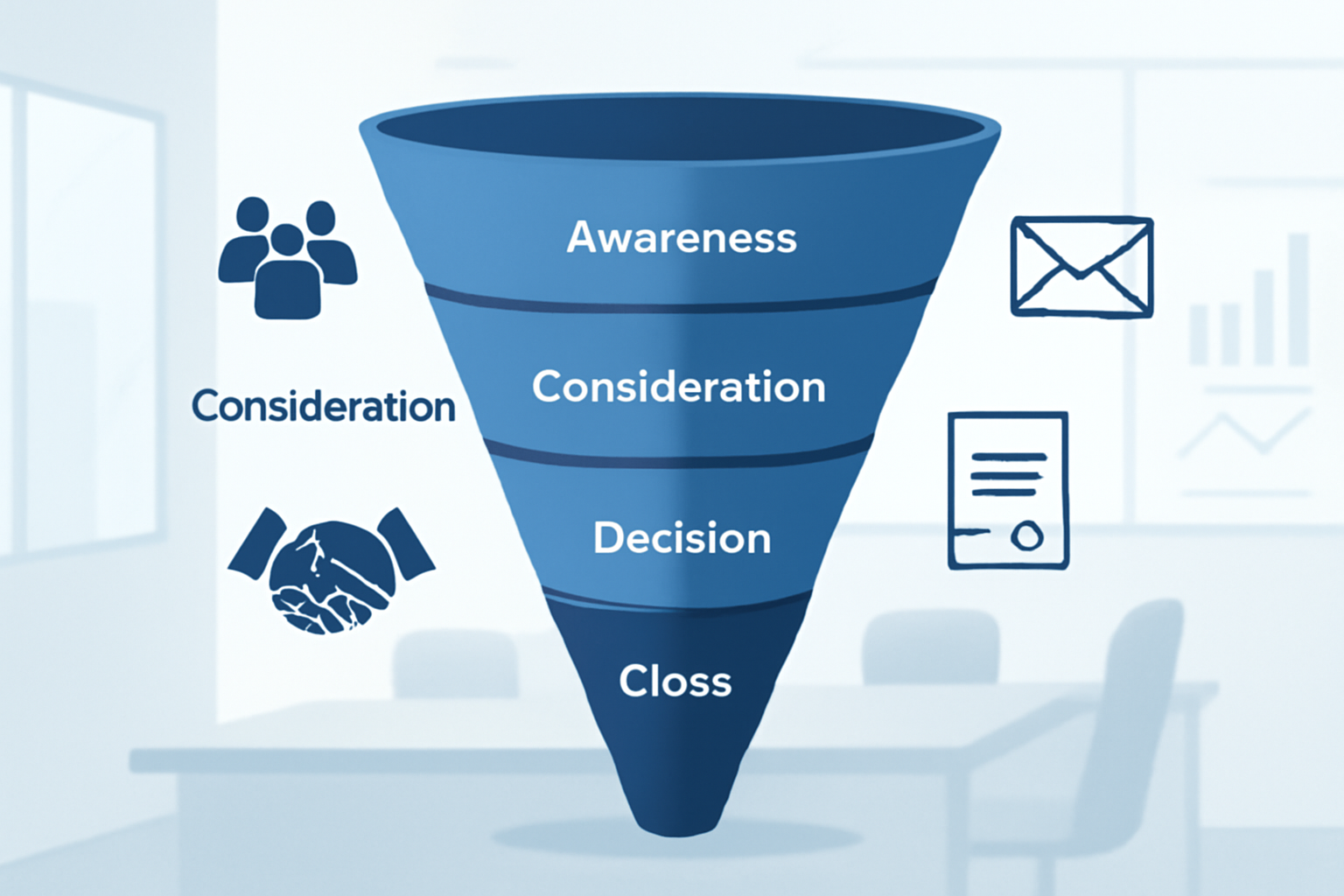
  • Small Business Loans: How to Choose the Right One in 2026

    Small Business Loans: How to Choose the Right One in 2026

    Small Business Loans: How to Choose the Right One in 2026

    The right small business loan can unlock growth — but the wrong one can cost you tens of thousands of dollars in unnecessary interest and fees.

    Why Small Business Financing Still Matters More Than Ever

    According to the Federal Reserve’s 2025 Small Business Credit Survey, nearly 43% of small business owners who applied for financing reported receiving less funding than they needed. That gap between what businesses need and what they actually get is one of the biggest barriers to growth in the US today.

    Whether you’re trying to hire your first full-time employee, purchase new equipment, or bridge a seasonal cash flow gap, understanding your loan options is not optional — it’s foundational to running a sustainable business.

    In this guide, you’ll learn exactly how small business loans work, which types fit different financial situations, how to qualify, what traps to avoid, and what alternatives exist when a traditional bank says no. By the end, you’ll have a clear framework for making one of the most consequential financial decisions for your company.

    This article is for educational purposes only — always consult a licensed financial advisor or CPA before making borrowing decisions for your business.

    What Is a Small Business Loan and How Does It Work?

    A small business loan is a sum of money borrowed by a business owner, typically repaid over a fixed term with interest. Lenders — including banks, credit unions, online lenders, and the Small Business Administration (SBA) — evaluate your business’s financial health before approving funding.

    The core components of any business loan include:

    • Principal: The amount you borrow.
    • Interest rate: The cost of borrowing, expressed as an annual percentage rate (APR).
    • Repayment term: How long you have to pay back the loan — typically 1 to 25 years depending on the loan type.
    • Collateral: Assets you pledge as security in case you default (not always required).

    Unlike personal loans, business loans assess the health of your company — including revenues, time in business, credit history, and sometimes personal credit — to determine eligibility and pricing.

    Generally speaking, the stronger your business financials, the lower your interest rate and the better your loan terms. This makes preparation before applying critically important.

    Types of Small Business Loans: Key Benefits and What Each Is Good For

    The SBA reported that in fiscal year 2025, it backed over $56 billion in small business loans through its flagship programs alone. That’s a massive market — and it reflects the wide variety of financing tools available to business owners today.

    Here’s a breakdown of the most common loan types:

    SBA 7(a) Loans

    The most popular SBA program, the 7(a) loan, offers up to $5 million with repayment terms up to 10 years for working capital and up to 25 years for real estate. Interest rates are capped by the SBA, typically ranging from around 10.5% to 14.5% depending on the loan size and term as of 2026.

    Best for: Established businesses needing working capital, equipment, or real estate.

    SBA 504 Loans

    Designed for purchasing fixed assets like commercial real estate or heavy equipment. Loans can reach $5.5 million or more in certain cases. These are structured through a Certified Development Company (CDC) partnered with a private lender.

    Best for: Businesses investing in long-term physical assets.

    Term Loans (Bank or Online)

    Traditional bank term loans offer competitive rates but require strong credit and financials. Online lenders like OnDeck or Funding Circle offer faster approvals but at higher APRs — sometimes 20% to 50% or more for less-qualified borrowers.

    Best for: Businesses that need a lump sum for a defined purpose and have solid financials.

    Business Lines of Credit

    A revolving credit line you draw from as needed — similar to a credit card but usually with higher limits and lower rates. You only pay interest on what you use. If you want a deeper dive into this option, check out our guide on Business Line of Credit: How to Get One and Use It Wisely.

    Best for: Managing cash flow gaps and covering short-term operating expenses.

    Equipment Financing

    The equipment itself serves as collateral, which lowers lender risk and often results in better rates. Terms typically match the expected useful life of the equipment.

    Best for: Restaurants, manufacturers, contractors, and medical practices purchasing machinery or vehicles.

    Microloans

    The SBA Microloan Program offers up to $50,000 to newer or smaller businesses through nonprofit intermediaries. Average loan size is around $14,000. A great entry point for startups or underserved entrepreneurs.

    Best for: Early-stage businesses, women-owned, minority-owned, or veteran-owned businesses.

    How to Get a Small Business Loan: Step-by-Step

    According to the CFPB, one of the most common reasons small business loan applications are denied is incomplete documentation. Preparation dramatically improves your approval odds.

    1. Know your credit scores: Check both your personal credit score (FICO) and your business credit score (Dun & Bradstreet, Equifax Business, Experian Business). Most SBA lenders require a personal FICO of at least 650; traditional banks often want 700+.
    2. Determine how much you actually need: Overborrowing increases debt costs; underborrowing may leave you short mid-project. Build a detailed use-of-funds document.
    3. Gather your financial documents: Most lenders will request 2-3 years of business tax returns, recent bank statements (3-6 months), profit and loss statements, balance sheets, and your business plan. If you need help building that plan, see our guide on How to Write a Business Plan That Gets Funded in 2026.
    4. Compare lenders: Don’t go to just one lender. Compare banks, credit unions, SBA-approved lenders, and reputable online lenders. Use tools like the SBA’s Lender Match tool at sba.gov.
    5. Review the full cost of the loan: Look beyond the interest rate. Calculate the total cost including origination fees, prepayment penalties, and other charges. Use the APR as your comparison metric.
    6. Submit your application: Be responsive to requests for additional documents. Delays in responding can slow approval or result in denial.
    7. Review the loan agreement carefully: Before signing, have your CPA or attorney review the terms, especially personal guarantee clauses and collateral requirements.

    Costs, Fees, and Risks You Need to Understand

    The Federal Reserve’s survey data consistently shows that a significant share of small business borrowers report being surprised by fees or terms after closing. Don’t let that be you.

    Here are the key cost factors to evaluate:

    • Origination fees: Typically 1% to 5% of the loan amount. On a $200,000 loan, that’s $2,000 to $10,000 upfront.
    • Interest rate: Fixed vs. variable rates have different risk profiles. Variable rates may start lower but can rise significantly if the Federal Reserve raises the benchmark rate.
    • Prepayment penalties: Some lenders charge a fee if you pay off the loan early. This can eliminate the benefit of refinancing later at a lower rate.
    • Personal guarantee: Most small business loans require the owner to personally guarantee repayment. If the business defaults, your personal assets — including your home — could be at risk.
    • Factor rates (watch out for MCAs): Merchant Cash Advances (MCAs) use a "factor rate" instead of an APR. A factor rate of 1.35 on a $100,000 advance means you repay $135,000 — but because repayment happens daily and quickly, the effective APR can exceed 80% to 150%.
    • Collateral requirements: Assets pledged as collateral can be seized if you default. Understand exactly what you’re putting at risk before signing.

    In most cases, the lower the lender’s risk, the lower your borrowing cost. Improving your credit score, building business history, and having clean financials all reduce the lender’s perceived risk — and your costs.

    Common Mistakes Small Business Owners Make When Borrowing

    These are the errors that regularly cost business owners thousands of dollars — or worse, their companies.

    1. Borrowing before the business needs it — or waiting too long. Taking on debt before you have a clear use for it leads to unnecessary interest costs. Conversely, waiting until you’re in a cash crisis forces you into expensive emergency financing like MCAs. Plan your financing needs 3 to 6 months in advance when possible.

    2. Focusing only on monthly payment, not total loan cost. A longer repayment term reduces your monthly payment but increases the total interest paid dramatically. On a $150,000 loan at 11% APR, a 3-year term costs about $25,000 in interest — a 7-year term costs over $63,000. Always calculate total cost, not just monthly cash flow impact.

    3. Not reading the personal guarantee clause. Almost every small business loan under $5 million requires a personal guarantee from owners with 20% or more equity. Many owners sign without understanding this means their personal assets are on the line. Know what you’re signing.

    4. Accepting the first offer without shopping around. Lender pricing varies dramatically. A difference of 2 to 3 percentage points on a $200,000 loan over 5 years represents roughly $11,000 to $16,000 in additional interest. Always get at least three quotes.

    5. Using long-term debt for short-term needs — or vice versa. Match the loan term to the purpose. Using a 10-year loan to cover a seasonal inventory shortfall means you’ll be paying for it long after the inventory is sold. Using a short-term loan for real estate creates cash flow strain.

    Alternatives to Traditional Small Business Loans

    A loan isn’t always the right tool. Depending on your situation, these alternatives may work better:

    Business Credit Cards

    Pros: Quick access, rewards points, 0% intro APR offers available. Good for recurring small expenses.
    Cons: Regular APRs of 20%+ if you carry a balance; lower credit limits than loans. Best for short-term operational expenses you can pay off monthly.

    Invoice Financing / Factoring

    Pros: Converts outstanding invoices into immediate cash — no need to wait 30, 60, or 90 days for clients to pay.
    Cons: Fees can be steep (1% to 5% per month of the invoice value). Your clients may be notified. Best for B2B service businesses with reliable receivables. If you’re working on improving your B2B revenue streams, our guide on B2B Sales Funnel: How to Build and Optimize Yours can help strengthen your pipeline.

    Grants for Small Businesses

    Pros: Free money — no repayment required.
    Cons: Highly competitive, limited in amount, often industry- or demographic-specific. Check the SBA website, grants.gov, and local Small Business Development Centers (SBDCs) for current opportunities. Approval timelines can be long.

    Frequently Asked Questions About Small Business Loans

    Q: What credit score do I need to get a small business loan?
    A: It depends on the lender. SBA-approved lenders generally require a personal FICO score of at least 650. Traditional banks typically want 700 or higher. Online lenders may approve borrowers with scores as low as 550, but at much higher interest rates. Your business credit score also matters — building it separately from your personal score is a smart long-term strategy.

    Q: How long does it take to get approved for a small business loan?
    A: This varies widely. Online lenders can approve and fund in as little as 24 to 72 hours. SBA loans typically take 30 to 90 days from application to funding. Traditional bank loans fall somewhere in between, often 2 to 4 weeks, depending on complexity and documentation completeness.

    Q: Can I get a small business loan as a startup?
    A: Yes, but your options are more limited. Most conventional lenders prefer at least 2 years in business and documented revenue. For startups, look into SBA Microloans, CDFI (Community Development Financial Institution) loans, and nonprofit lending programs. A strong business plan is especially critical in this case.

    Q: Is the interest on a small business loan tax-deductible?
    A: Generally speaking, yes — interest paid on business loans used for legitimate business purposes is deductible as a business expense under IRS rules. However, the deduction applies only to the interest portion, not the principal repayment. Consult your CPA for specifics based on your business structure and loan use.

    Q: What’s the difference between secured and unsecured small business loans?
    A: A secured loan requires collateral — real estate, equipment, or other business assets the lender can seize if you default. An unsecured loan requires no collateral but usually comes with higher interest rates and stricter credit requirements because the lender takes on more risk. Many loans also include a personal guarantee regardless of whether they are technically secured.

    The Bottom Line: Borrow With a Plan, Not in Panic

    The most expensive small business loan is the one you take out under pressure, without comparing options, and without a clear plan for how it will generate return. The best loan is one that matches your business’s specific need, is priced fairly for your credit profile, and has terms you can genuinely manage.

    Before you apply, know your numbers — revenue, margins, cash flow, and how much debt service your business can realistically absorb each month. Build your credit proactively, keep your financials clean, and compare at least three lenders before committing.

    If your business isn’t quite ready for a loan today, use that time to strengthen what lenders care about most: credit history, revenue consistency, and financial documentation. Six months of preparation can mean the difference between a 12% APR and a 35% APR — and tens of thousands of dollars over the life of your loan.

    This article is for educational purposes only and does not constitute financial, tax, or investment advice. Always consult a licensed financial advisor, CPA, or attorney before making financial decisions for your business.

  • B2B Sales Funnel: How to Build and Optimize Yours

    B2B Sales Funnel: How to Build and Optimize Yours

    B2B Sales Funnel: How to Build and Optimize Yours

    Companies that optimize their B2B sales funnel see up to 36% higher win rates — here’s exactly how to build one that converts.

    Why Your B2B Sales Funnel Is the Backbone of Revenue

    According to the Harvard Business Review, companies with a clearly defined sales process generate 18% more revenue than those operating without one. Yet, a 2025 Salesforce report found that nearly 68% of small business owners in the US have never formally mapped their sales funnel — they’re just winging it and hoping deals close.

    If you’re a small business owner or sales manager, that statistic should stop you cold. A B2B sales funnel isn’t just a buzzword. It’s the structured path that turns a complete stranger into a paying client — and then keeps that client coming back.

    In this guide, you’ll learn exactly what a B2B sales funnel is, how to build one from scratch, which metrics actually matter, where most funnels leak money, and how to fix the most common mistakes. Whether you’re closing $20,000 contracts or $200,000 deals, the framework works the same way.

    This is for educational purposes — consult a licensed financial advisor or business consultant for personalized guidance.

    What Is a B2B Sales Funnel and How Does It Work?

    A B2B sales funnel (business-to-business sales funnel) is a model that maps every stage a potential business client moves through — from the moment they first hear about you to the moment they sign a contract and beyond.

    Unlike B2C (business-to-consumer) purchases, B2B sales cycles are typically longer, involve multiple decision-makers, and require significantly more trust-building before money changes hands. The average B2B sales cycle in the US lasts 84 days, according to a 2025 Gartner study — and for deals above $50,000, that number often stretches past six months.

    The funnel is usually broken into four core stages:

    • Awareness: The prospect learns your business exists.
    • Interest/Consideration: They actively research your solution.
    • Decision: They evaluate you against competitors and negotiate terms.
    • Action/Close: They sign, pay, and become a customer.

    Some models add a fifth stage — Retention and Expansion — which is where the most profitable B2B companies make their real money through upsells, renewals, and referrals.

    Understanding which stage each prospect is in tells you exactly what message to send, what content to show them, and how urgently to follow up.

    Key Benefits of Optimizing Your Sales Funnel

    Here’s the business case for taking your funnel seriously. A 2024 McKinsey report found that B2B companies with optimized sales funnels achieve 2.9x higher revenue growth compared to industry peers who rely on ad hoc selling.

    Let’s break down what that looks like in practical, dollar terms for a small business:

    Shorter sales cycles: When prospects receive the right information at the right stage, they make decisions faster. A business closing 10 deals per quarter at a $15,000 average contract value that cuts its cycle from 90 days to 60 days effectively frees up cash flow and capacity to pursue more deals.

    Higher conversion rates: The average B2B lead-to-close conversion rate hovers around 3-5% across industries (Salesforce, 2025). Funnel optimization can realistically push that to 8-12% — potentially doubling revenue without increasing your marketing budget.

    Better forecasting: When you know how many leads enter each funnel stage and what percentage advance, you can predict monthly revenue with real accuracy. That kind of visibility is critical when managing payroll, inventory, or applying for a business line of credit.

    Reduced customer acquisition cost (CAC): Disorganized sales efforts waste time on unqualified prospects. A defined funnel filters leads early so your team spends energy where it actually converts to revenue.

    How to Build Your B2B Sales Funnel: Step-by-Step

    Building a funnel that works isn’t complicated — but it does require intentional design at every stage. Here’s a practical, numbered process you can apply to your business starting this week.

    Step 1: Define Your Ideal Customer Profile (ICP)

    Before you build anything, you need to know exactly who you’re selling to. Your ICP should include company size (employee count, annual revenue), industry vertical, decision-maker job title, geography, and the specific pain point your product or service solves.

    For example: “CFOs at manufacturing companies with $5M–$50M in annual revenue located in the Midwest who are struggling with cash flow forecasting.” The more specific, the better your funnel will perform.

    Step 2: Map Your Lead Sources

    Identify where your best clients currently come from. Common B2B lead sources include LinkedIn outreach, inbound content marketing (blog, SEO), referrals, trade shows, email campaigns, and paid ads. Your funnel needs a steady stream at the top — without leads entering, nothing else matters.

    If you haven’t invested in content as a lead source, a content marketing strategy for small businesses can generate qualified inbound leads at a fraction of the cost of paid advertising over time.

    Step 3: Create Stage-Specific Content and Touchpoints

    Each funnel stage needs different content:

    • Awareness: Blog posts, LinkedIn articles, podcast appearances, paid ads
    • Consideration: Case studies, comparison guides, webinars, email sequences
    • Decision: Proposals, demos, ROI calculators, client testimonials, reference calls
    • Retention: Onboarding materials, quarterly business reviews, upsell offers

    Step 4: Set Up a CRM

    A Customer Relationship Management (CRM) tool is non-negotiable. Tools like HubSpot (free tier available), Salesforce, or Pipedrive let you track every prospect’s stage, set follow-up reminders, and measure conversion rates between stages. Without a CRM, your funnel exists only in people’s heads — and deals fall through the cracks constantly.

    Step 5: Define Your Follow-Up Cadence

    Studies from the National Sales Executive Association show that 80% of sales require five or more follow-up contacts after an initial meeting — yet 44% of salespeople give up after just one follow-up. Build a structured sequence: initial outreach, follow-up at 3 days, 7 days, 14 days, and 30 days, each with a different angle or value add.

    Step 6: Measure and Adjust Monthly

    Track these core funnel metrics every month: number of new leads, lead-to-opportunity rate, opportunity-to-proposal rate, proposal-to-close rate, average deal size, and average sales cycle length. Identify your weakest stage and focus improvement efforts there first.

    Costs, Fees, and Risks of Building a Sales Funnel

    Building a B2B sales funnel isn’t free, and it’s important to understand the real investment involved. According to the U.S. Bureau of Labor Statistics, small businesses typically allocate 7-12% of gross revenue to sales and marketing combined — and sales funnel infrastructure is a major component of that spend.

    CRM software: HubSpot’s free plan covers basics, but paid plans start at $20/month per seat and scale to $1,200+/month for enterprise features. Salesforce starts around $25/user/month for basic functionality. Budget $100–$500/month for a small sales team.

    Content and lead generation: Producing quality content, running LinkedIn ads, or hiring an SDR (Sales Development Representative) all carry real costs. LinkedIn lead gen campaigns can run $8–$15 per click in competitive B2B categories.

    Time investment: The hidden cost most business owners underestimate. Building a proper funnel, training your team, and iterating based on data takes dozens of hours upfront — time that comes from somewhere else in your business.

    Risks: Over-engineering your funnel early is a real danger. Too many stages, too much automation, or an overly complex CRM setup can actually slow your team down. Start simple. Also, be cautious about investing heavily in paid lead generation before you’ve validated that your funnel can actually close the leads it receives — burning ad spend on a leaky funnel is a costly mistake.

    Common Mistakes That Kill B2B Sales Funnels

    Most sales funnels don’t fail because of bad products. They fail because of predictable, fixable errors. Here are the most damaging ones — and how to avoid them.

    Mistake #1: Treating every lead the same. Not all leads are created equal. Sending a bottom-of-funnel product demo to someone who just downloaded a top-of-funnel awareness blog post will kill the relationship. Segment your leads by stage and send stage-appropriate communication. Skipping this step is one of the most expensive errors in B2B sales.

    Mistake #2: Neglecting the follow-up. As mentioned above, most B2B deals close after five or more touchpoints. If your team stops following up after one or two unanswered emails, you’re leaving significant revenue on the table. Build automated follow-up sequences in your CRM so no lead goes cold by accident.

    Mistake #3: Unclear qualification criteria. If your sales team doesn’t know what a “qualified” lead looks like, they’ll waste hours on prospects who can’t or won’t buy. Define your minimum qualifying criteria — budget, authority, need, and timeline (commonly known as BANT) — and apply them at the top of the funnel to protect your team’s time.

    Mistake #4: Ignoring post-sale retention. The bottom of the funnel is often completely ignored. A 2024 Bain & Company study found that increasing customer retention by just 5% can increase profits by 25–95%. If you’re focused only on acquiring new clients and not on keeping existing ones happy, you’re building a leaky bucket — spending to fill the top while clients exit the bottom.

    Mistake #5: No written funnel documentation. If your sales process lives only in one person’s head, your business is fragile. Document every stage, every touchpoint, every script, and every piece of content. This enables hiring, training, and consistent execution across your team.

    Alternatives to a Traditional Sales Funnel

    The classic linear funnel model isn’t the only framework available. Depending on your business model and market, one of these alternatives might serve you better — or complement your existing funnel.

    The Flywheel Model: Popularized by HubSpot, the flywheel replaces the linear funnel with a circular model centered on customer delight. Happy customers generate referrals, which feed awareness, which generates new leads organically. This model works best for businesses with strong recurring revenue or subscription models. Pro: Reduces CAC dramatically over time. Con: Takes longer to gain momentum and requires exceptional customer service infrastructure.

    Account-Based Marketing (ABM): Instead of generating many leads and filtering them down, ABM identifies a specific list of high-value target accounts and markets directly to decision-makers within those companies. According to the ITSMA, 87% of B2B marketers say ABM delivers higher ROI than other marketing approaches. Pro: Highly efficient for large deal sizes. Con: Resource-intensive and requires tight sales and marketing alignment.

    Referral-Based Sales System: For many small businesses, the most cost-effective “funnel” is a structured referral program — systematically asking current clients for introductions to their networks. This requires a formal process: asking at the right moment (typically 60–90 days into a successful engagement), offering clear incentives where appropriate, and tracking referral sources. Pro: Lowest CAC of any channel. Con: Hard to scale beyond a certain revenue level without supplementing with outbound or inbound strategies.

    If you’re in the early stages of business development, a solid business plan can help you determine which sales model aligns best with your growth goals and capital structure.

    Frequently Asked Questions

    How long does it take to build a B2B sales funnel?
    Generally speaking, a basic funnel with a CRM, defined stages, and initial content can be set up in 2–4 weeks. A fully optimized funnel with tested messaging, automated sequences, and measurable conversion rates typically takes 3–6 months of iteration. Don’t expect perfection on day one — the funnel improves as you collect data.

    How many leads do I need at the top of my funnel?
    This depends on your conversion rate and revenue goal. If your average deal size is $10,000, your close rate is 5%, and you need $500,000 in annual revenue, you need 1,000 qualified leads per year — roughly 83 per month entering the top of your funnel. Work backward from your revenue target to calculate your required lead volume.

    What’s the best CRM for a small business sales funnel?
    For most small businesses (1–10 person sales teams), HubSpot’s free or Starter tier offers strong value. Pipedrive ($14–$99/month per user) is excellent for teams focused purely on sales pipeline management. Salesforce is powerful but typically overkill and overpriced for businesses under $5M in revenue. The best CRM is the one your team will actually use consistently.

    At what point should I hire a dedicated salesperson?
    In most cases, hiring a dedicated salesperson makes financial sense when your own sales activities are consistently generating more qualified leads than you can personally follow up on, or when your revenue is sufficient to support a base salary plus commission — typically around $80,000–$120,000 in total compensation for an experienced B2B sales rep. Until then, systematizing your own outreach is usually more cost-effective.

    Can I automate my entire B2B sales funnel?
    Partially, yes — but be careful. Email sequences, lead scoring, CRM updates, and appointment scheduling can all be automated effectively. However, the high-value conversations, discovery calls, and proposal stages in B2B sales require genuine human engagement. Over-automating those interactions often signals inauthenticity and costs you deals. Use automation to handle the administrative weight, not to replace relationship-building.

    Build the Funnel, Close More Deals

    A well-designed B2B sales funnel is one of the highest-leverage investments a small business can make. It brings consistency, predictability, and scalability to what often feels like a chaotic, relationship-dependent revenue stream.

    Start with the basics: define your ICP, map your lead sources, set up a CRM, and build stage-specific follow-up sequences. Measure your conversion rates monthly and fix the weakest link in the chain first. Avoid the common traps — treating all leads the same, abandoning follow-up too early, and neglecting retention after the sale.

    Most importantly, remember that a funnel is never truly finished. The best sales organizations treat it as a living system that improves with every closed deal and every lost opportunity analyzed.

    Take one step today: open a spreadsheet or free HubSpot account and map the last 10 deals you closed. Where did they come from? How long did they take? That’s your funnel in its current form — and it’s your starting point for something significantly more powerful.


    Financial Disclaimer: This article is for educational purposes only and does not constitute financial, tax, or investment advice. Always consult a licensed financial advisor, CPA, or attorney before making financial decisions.